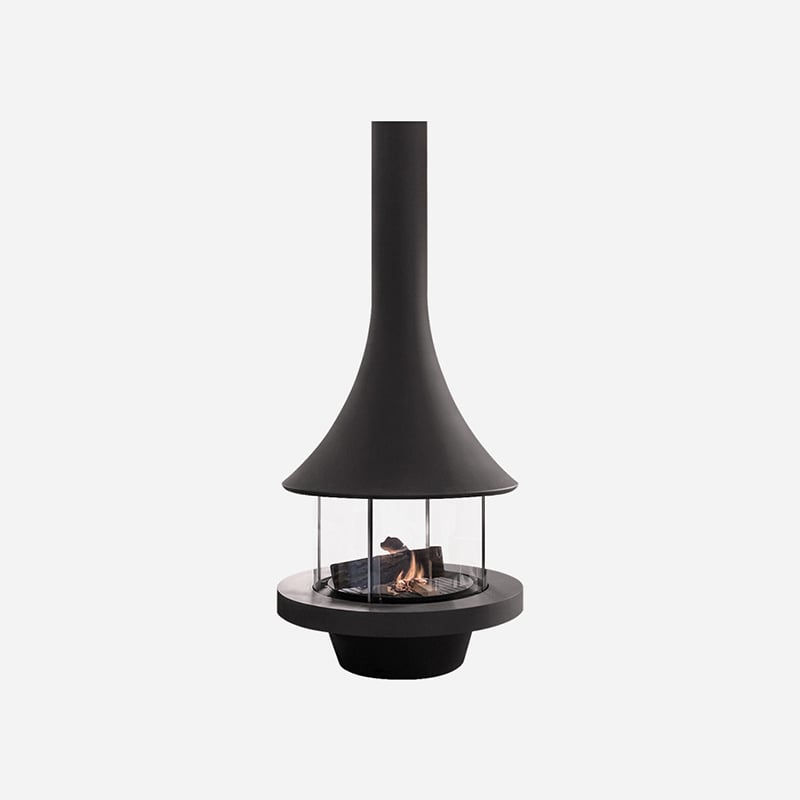
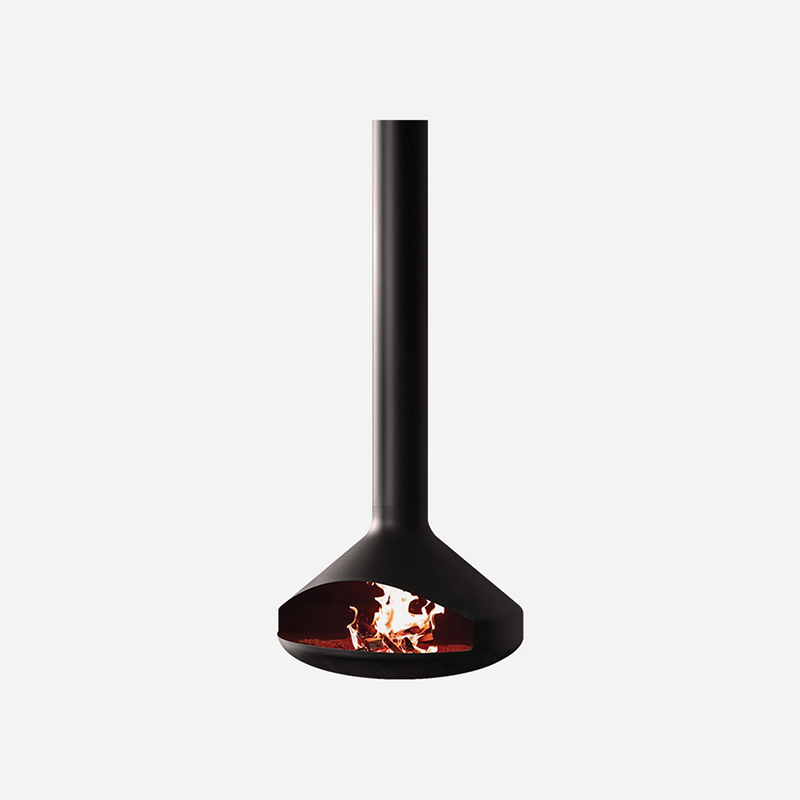
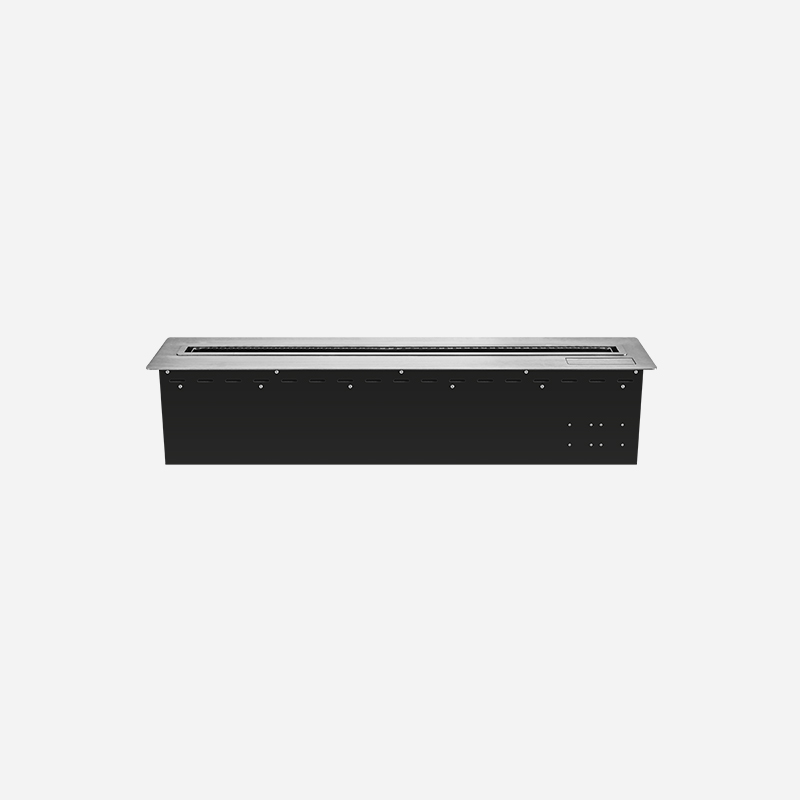
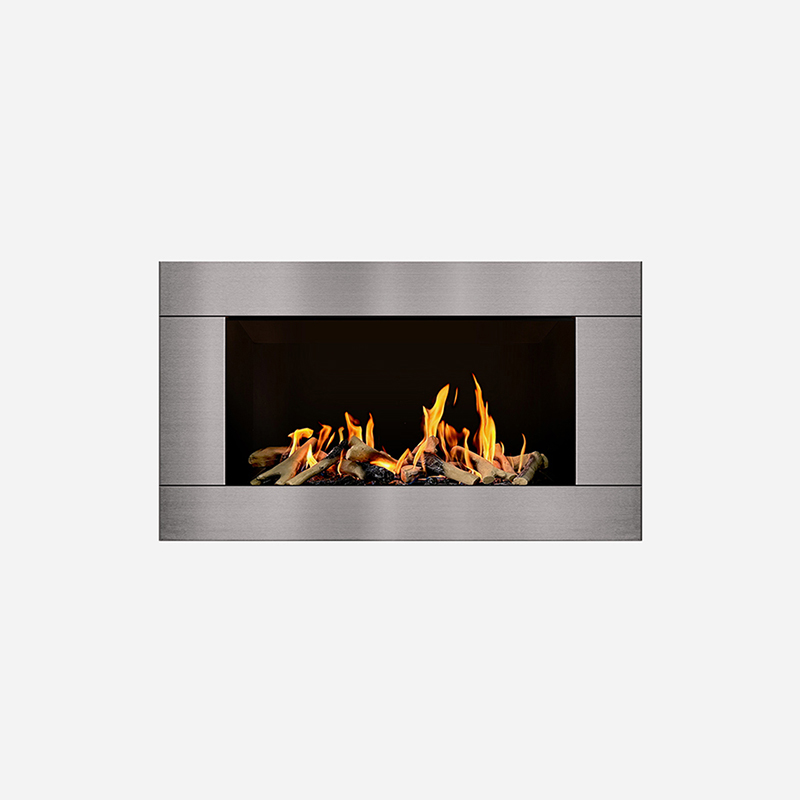
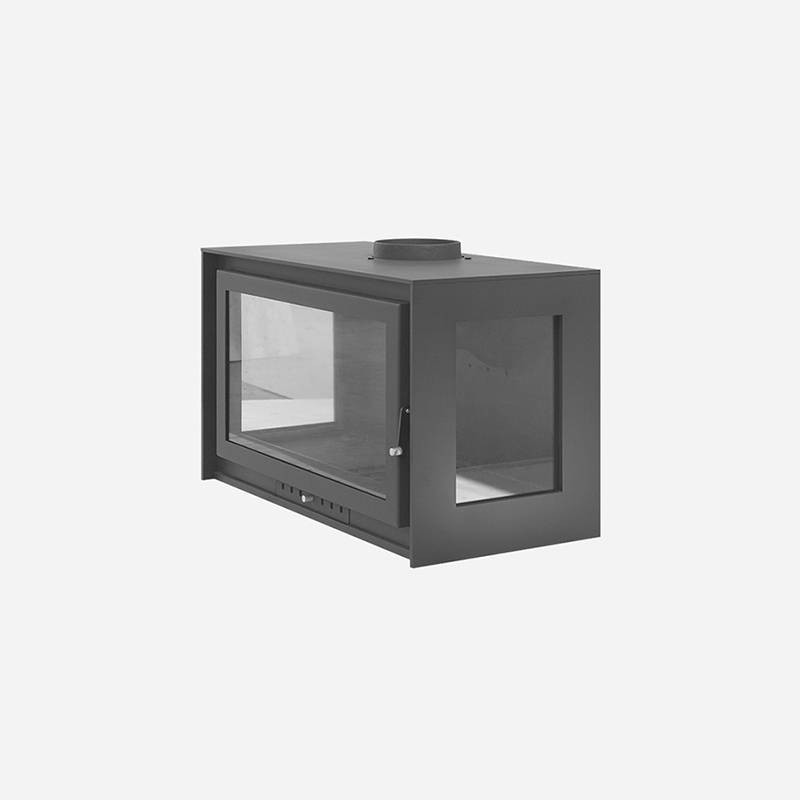
High-efficiency gas fireplaces are an excellent investment for businesses looking to enhance their heating solutions while saving on energy costs. As purchasing managers, engineers, and distributors evaluate their options, understanding the nuances of these products is crucial. This article will guide you through the key aspects of high-efficiency gas fireplace, addressing quality evaluation, pricing for bulk orders, installation guidance, common issues, and specifications to compare when making a purchase.
When assessing the quality of gas fireplaces, several factors come into play. First, the materials used in the construction of the fireplace significantly impact durability and performance. High-quality stainless steel or cast iron is often preferred for their longevity and heat retention.
Another critical aspect is the fireplace’s efficiency rating, typically expressed as a percentage. A higher efficiency rating indicates better performance, meaning more heat is generated with less fuel consumption. Look for models that meet or exceed Energy Star certification, as this can be a reliable indicator of quality.
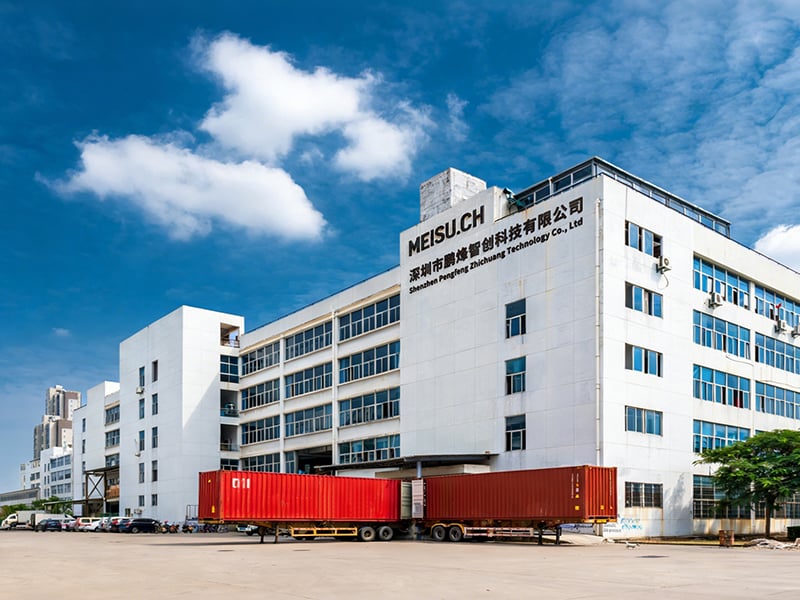
Additionally, consider the manufacturer’s reputation and quality control processes. A reliable company, such as MEISU. CH, emphasizes rigorous testing and quality assurance to ensure each unit meets high standards before it reaches the market. Understanding the manufacturing capabilities and certifications can provide insight into the fireplace's overall quality.
Pricing for high-efficiency gas fireplaces can vary significantly based on several factors, including materials, design complexity, and order volume. When purchasing in bulk, economies of scale can often lead to reduced unit prices. However, buyers should also consider the total cost of ownership, which includes installation, maintenance, and operational costs.
Requesting a detailed quotation from manufacturers should involve sharing specific project requirements, such as the type and number of units needed, customization requests, and any particular performance specifications. This information allows suppliers to provide tailored pricing that reflects your needs.
It's also wise to compare pricing across suppliers, taking into account not just the unit price but also shipping costs, lead times, and warranty options. With MEISU. CH’s extensive manufacturing capabilities, buyers can expect competitive pricing without compromising on quality.
Installing high-efficiency gas fireplaces in commercial spaces requires careful planning and adherence to safety regulations. First, assess the installation site to determine the necessary venting requirements. Most gas fireplaces require direct venting systems to ensure proper airflow and combustion efficiency.
It’s essential to engage licensed professionals for installation to comply with local building codes and regulations. They will ensure that the fireplace is correctly fitted, with appropriate gas lines and ventilation systems in place.
Additionally, consider the layout of the space and the fireplace's heating capacity. The gas fireplace should be appropriately sized for the area it will heat, factoring in insulation, ceiling height, and room dimensions. Engaging with the manufacturer for installation resources or recommendations can further streamline the process.
Despite their efficiency, gas fireplaces can encounter common issues that may affect performance. One frequent problem is the accumulation of soot and debris in the venting system, which can hinder airflow and reduce efficiency. Regular maintenance and cleaning are essential to prevent these blockages.
Another issue is ignition failure, which can stem from faulty ignition systems or gas supply interruptions. Regular inspections and prompt repairs of any identified issues can prevent more significant problems.
If a fireplace exhibits unusual noises or fluctuating flame patterns, this may indicate underlying issues with gas pressure or burner performance. Consulting the manufacturer's guidelines for troubleshooting can offer effective solutions and maintenance tips to keep the modern gas fireplace operating optimally.
When selecting gas fireplaces for purchase, several specifications should be thoroughly evaluated to ensure optimal performance. Key specifications include:
Efficiency Rating: Look for fireplaces with high efficiency ratings (typically above 80%), as these can significantly reduce energy costs.
Heating Capacity: Measured in BTUs (British Thermal Units), this indicates the amount of heat produced. Ensure the capacity matches the size of the space being heated.
Dimensions and Design: The fireplace's size must fit the designated space, and the design should complement the overall aesthetic of the environment.
Fuel Type: Determine whether natural gas or propane is more suitable for your application, as this will affect installation and operational costs.
Ventilation Requirements: Understand the venting needs, including whether a direct vent or B-vent system is required.
By carefully comparing these specifications, buyers can make informed decisions that align with their heating needs and project requirements. Engaging with a reliable manufacturer like MEISU. CH can provide additional insights into the most suitable options for your specific applications.
In summary, understanding the key aspects of high-efficiency gas fireplaces from quality evaluation to installation and common issues will empower B2B buyers to make informed purchasing decisions. Establishing a clear line of communication with manufacturers and having a solid grasp of specifications will streamline the selection process and enhance project outcomes.
 Hot News
2026-08-17
 EN
EN