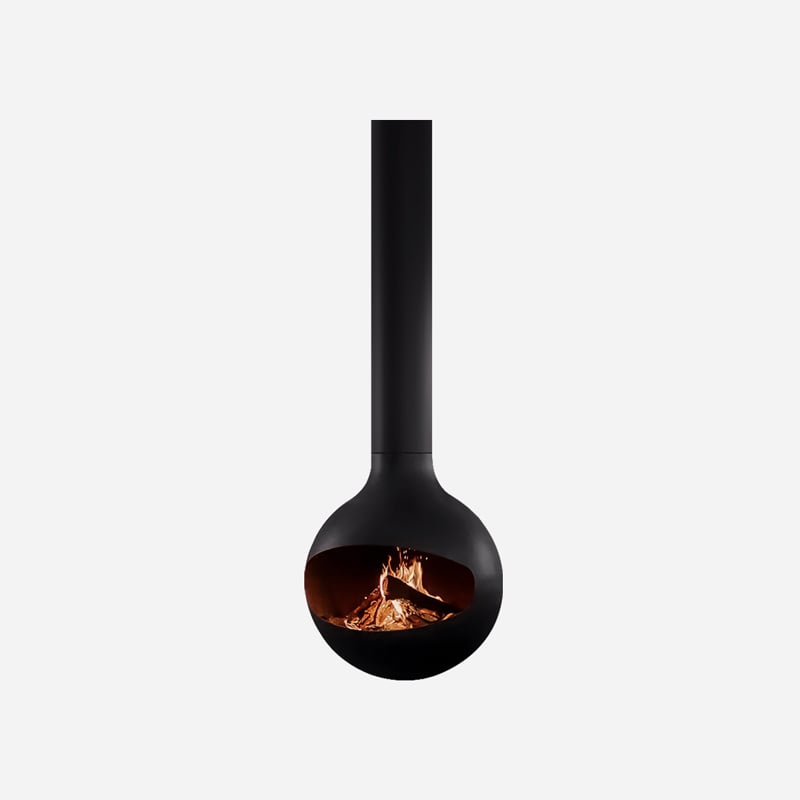
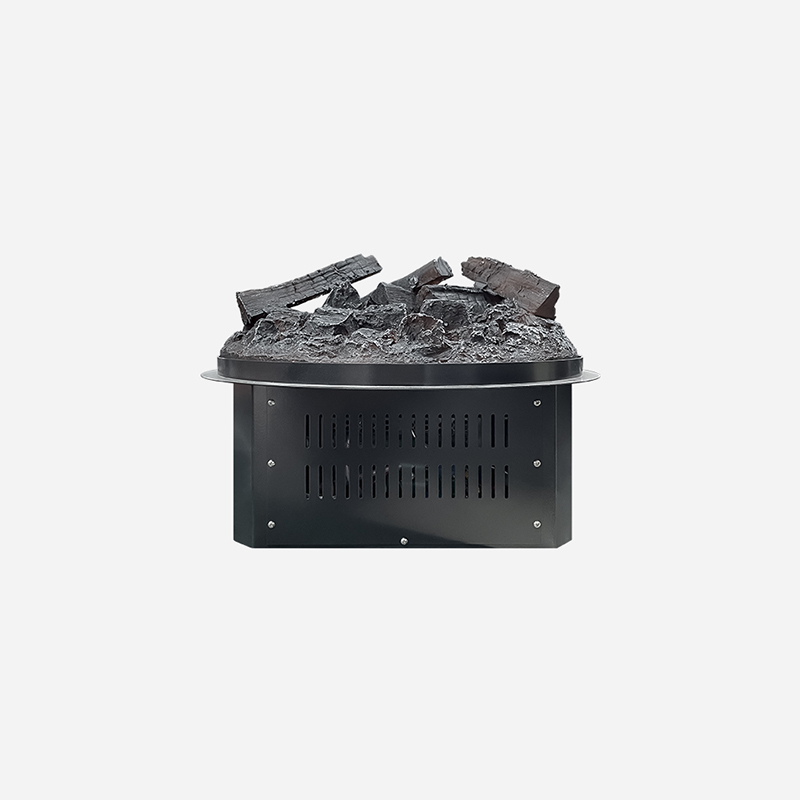
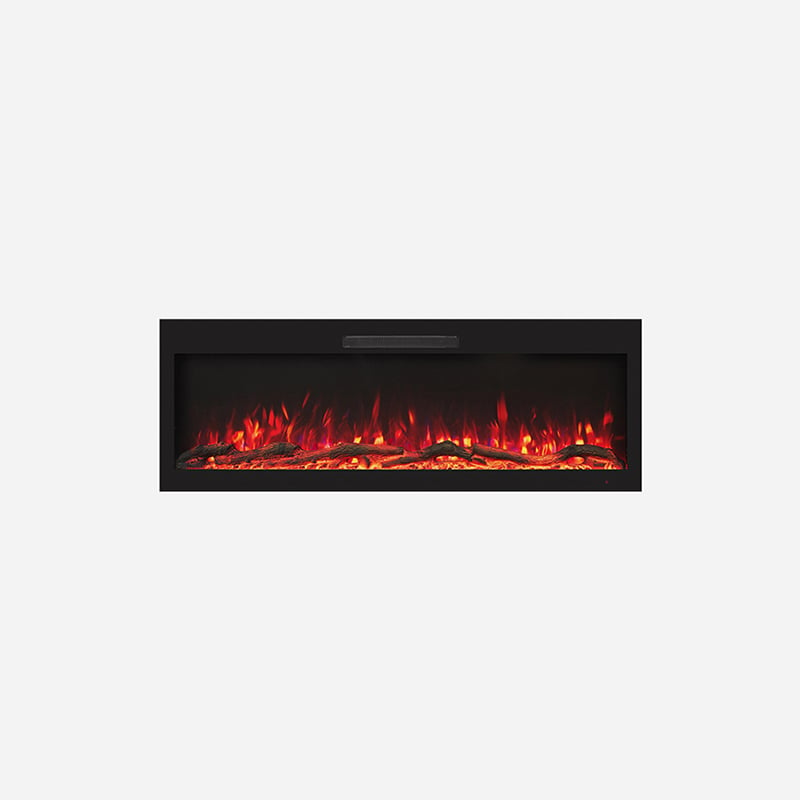
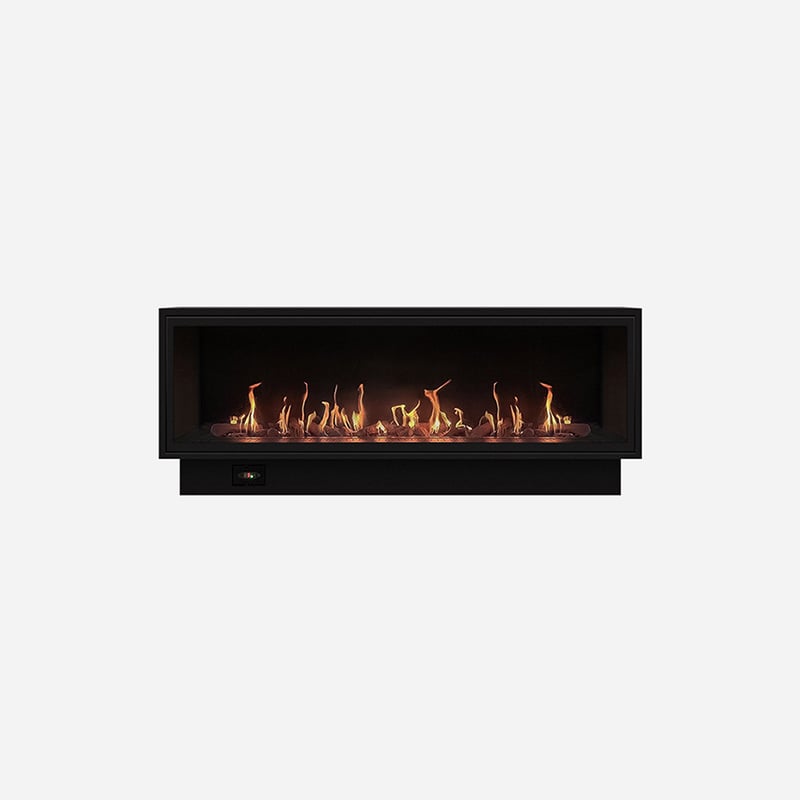
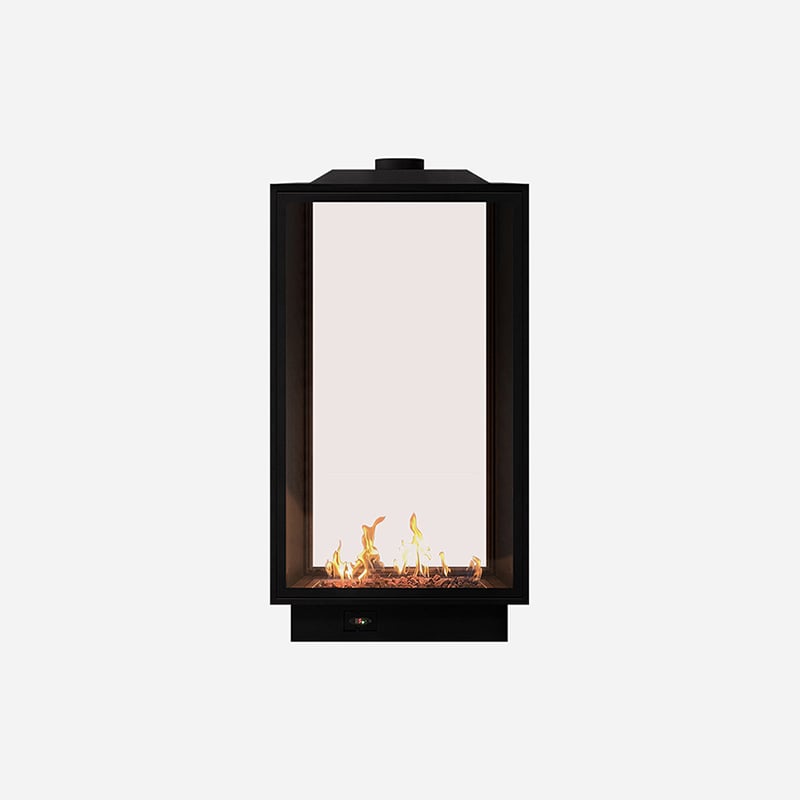
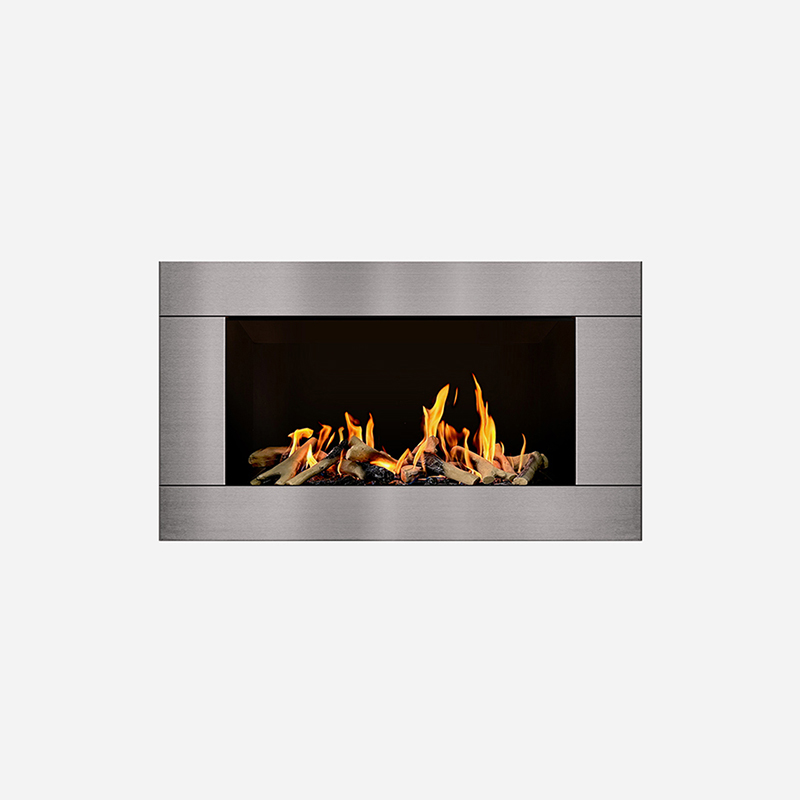
Gas fireplace inserts provide an efficient and aesthetically pleasing way to heat residential spaces, making them an attractive option for buyers in the B2B sector. As we approach 2026, understanding the nuances of choosing the right gas fireplace insert is essential for purchasing managers, distributors, and product managers alike. This guide will address critical considerations such as sourcing, specifications, cost factors, and common issues, enabling informed purchasing decisions.
When sourcing gas fireplace inserts for wholesale purchase, it's vital to collaborate with reputable manufacturers that have a proven track record in quality and reliability. Look for suppliers that operate large-scale production facilities, like MEISU. CH, which boasts over 12,000 square meters of advanced manufacturing space and a focus on high-end products. This scale often correlates with better quality control processes, ensuring that every unit meets stringent standards.
Additionally, consider suppliers with certifications that demonstrate compliance with industry standards, especially regarding safety and efficiency. Evaluate their export markets; companies that successfully distribute internationally often adhere to higher manufacturing protocols. It's also beneficial to inquire about their customization capabilities, as many buyers require specific designs to fit unique applications or customer preferences.
When comparing gas fireplace insert specifications, focus on several key parameters that influence performance and suitability for your application:
BTU Output: This measures the heat output of the insert. Ensure the BTU rating aligns with the heating requirements of the space intended for use. For instance, a larger room will demand a higher BTU output.
Material Composition: Common materials include steel, cast iron, and ceramic. Each material impacts durability and heat retention. Steel inserts heat up quickly but may not retain heat as long as cast iron.
Dimensions and Fit: Check the insert's dimensions to ensure it fits the existing gas fireplace structure. Incorrect sizing can lead to installation challenges and inefficiencies.
Efficiency Ratings: Look for inserts with high efficiency ratings (e. g., above 75%). This indicates lower fuel consumption and reduced emissions, which are becoming increasingly important in today's market.
Ventilation Requirements: Understand the type of venting needed (direct vent, vent-free, etc.) as this will affect installation options and overall safety.
By closely examining these specifications, buyers can ensure that the gas modern fireplace inserts chosen not only meet performance expectations but also comply with local building codes and regulations.
Several factors influence the price of gas fireplace inserts, and understanding these can help buyers negotiate better deals:
Material Costs: Higher-quality materials such as stainless steel or cast iron can increase the price but may offer better durability and longevity, ultimately leading to cost savings in replacements and repairs.
Customization Options: Custom designs or specific features (like remote control or enhanced safety features) will typically raise the base price. It's essential to assess whether these features align with the market demands of your customer base.
Production Volume and MOQ: Suppliers often have minimum order quantities (MOQs) that can affect pricing. Larger orders may attract discounts, while smaller orders could yield higher per-unit costs. Understanding the MOQ will help in negotiating better terms.
Shipping and Handling: Costs associated with transportation, packaging, and delivery can vary significantly. Ensure you factor these into your total cost analysis.
Warranty and Service Agreements: A product with a longer warranty may come at a higher price but can provide peace of mind and lower long-term costs due to fewer repairs and replacements.
By evaluating these cost factors, buyers can make more informed decisions and align their purchases with budgetary constraints while still meeting quality standards.
Before finalizing a purchase of gas fireplace inserts, consider the following:
Sample Approval: Always request a sample before mass production. This will allow you to verify dimensions, materials, and overall appearance. Testing the sample under actual operating conditions can reveal potential issues that may not be apparent from specifications alone.
Quality Control Processes: Inquire about the manufacturer's quality control measures. Companies like MEISU. CH typically implement rigorous testing protocols at various stages of production to ensure that each insert meets high standards of performance and safety.
Installation Requirements: Understand the installation process for the chosen inserts. Some models require professional installation, while others may be more DIY-friendly. This can impact your project timelines and labor costs.
Maintenance Needs: Discuss maintenance requirements with your supplier. Regular maintenance can extend the lifespan of the inserts and ensure optimal performance, making it a crucial consideration for buyers.
By gathering this information, you can prepare for a successful transaction that meets both your needs and those of your customers.
While gas fireplace inserts can enhance comfort and aesthetics, they can also present challenges. Here are some common issues and practical solutions:
Inadequate Heat Output: If the insert does not produce enough heat, it may be due to an undersized unit for the space. Buyers should ensure the BTU rating matches the heating requirements of the room. In some cases, adjusting the venting setup can also improve heat distribution.
Pilot Light Issues: A frequently extinguished pilot light can indicate a draft or a problem with the gas supply. Buyers should consult with technicians to assess installation quality and gas line integrity.
Glass Door Issues: Cracks or fogging on the glass doors of the insert can occur due to temperature fluctuations or poor manufacturing quality. Regular inspections and adherence to manufacturer guidelines can help mitigate this problem.
Efficiency Performance: If the insert's efficiency drops over time, this could be due to a buildup of soot or debris. Regular cleaning and maintenance, as specified by the manufacturer, can restore efficiency.
Installation Problems: Poor installation can lead to various issues, including gas leaks and improper venting. Ensure that qualified professionals handle the installation to prevent safety hazards and ensure compliance with local codes.
By understanding these potential problems and their solutions, buyers can better prepare for the realities of product performance and customer satisfaction.
Through this comprehensive gas fireplace insert buying guide, B2B buyers can navigate their purchasing decisions more effectively, ensuring they select products that meet both their needs and the expectations of their customers.
 Hot News
2026-08-17
 EN
EN