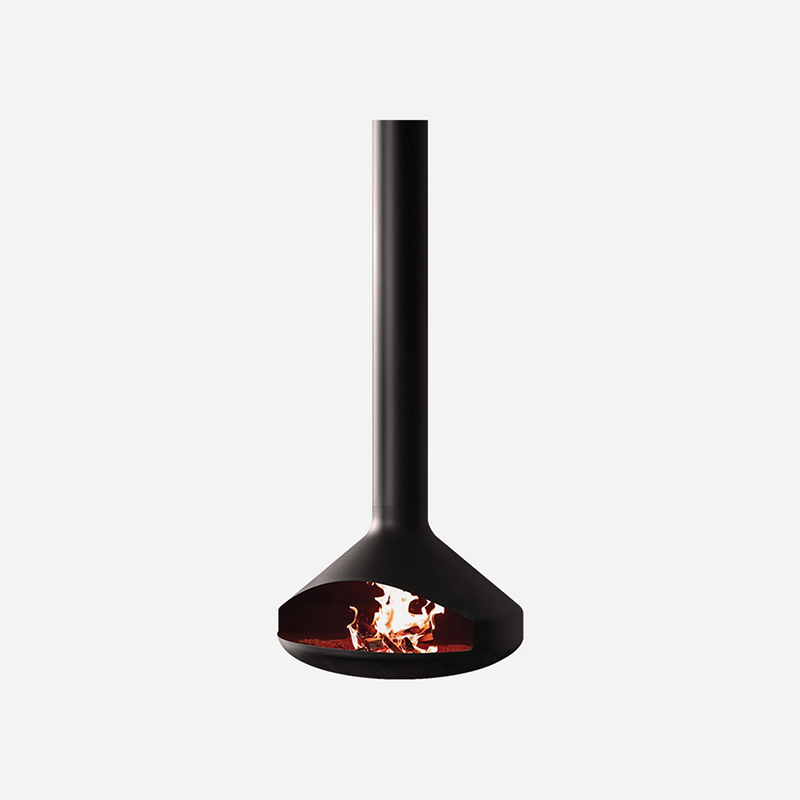
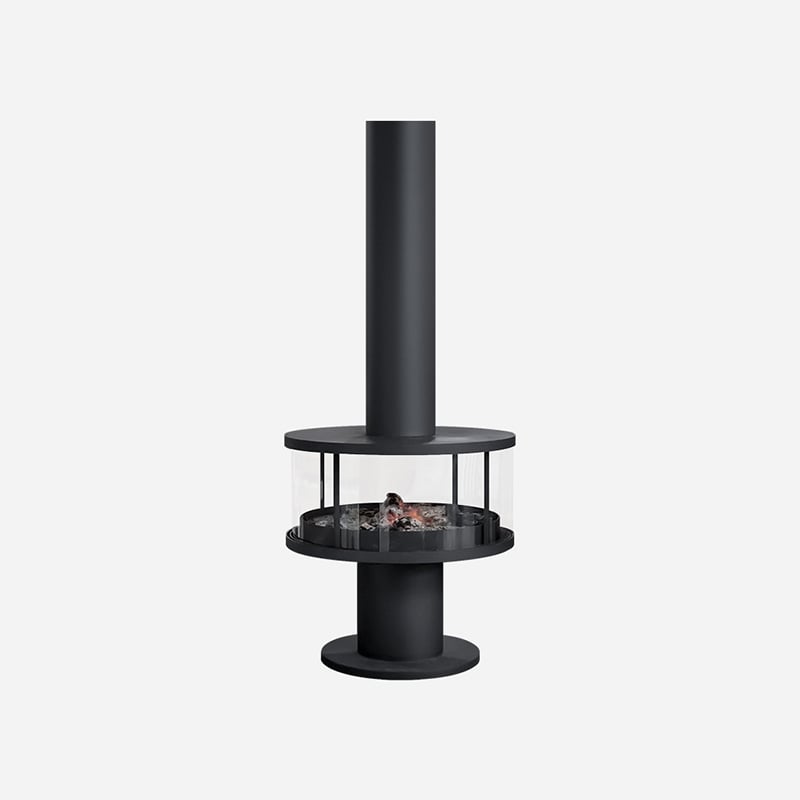
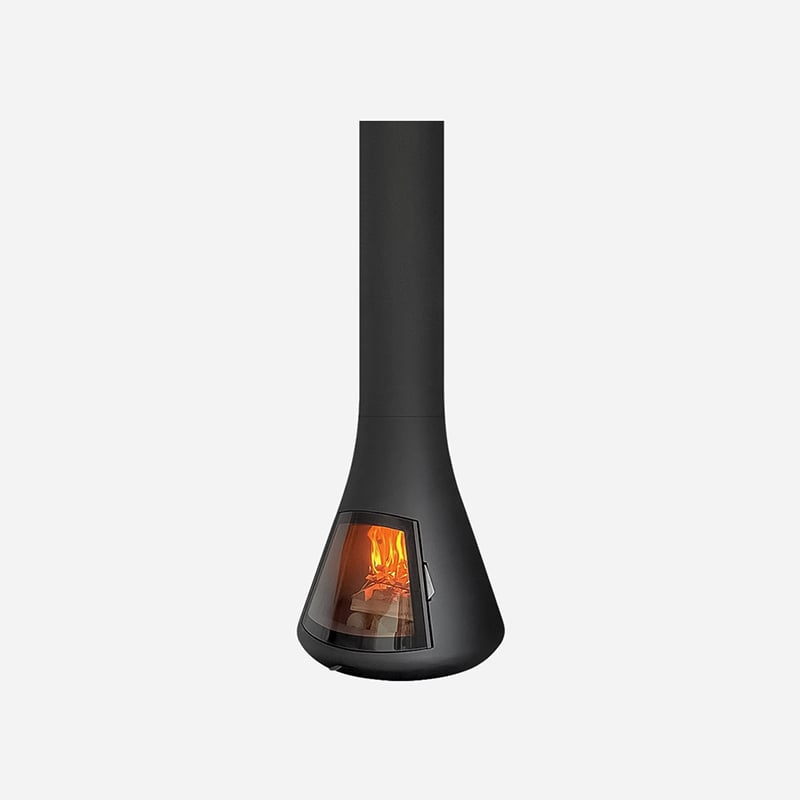
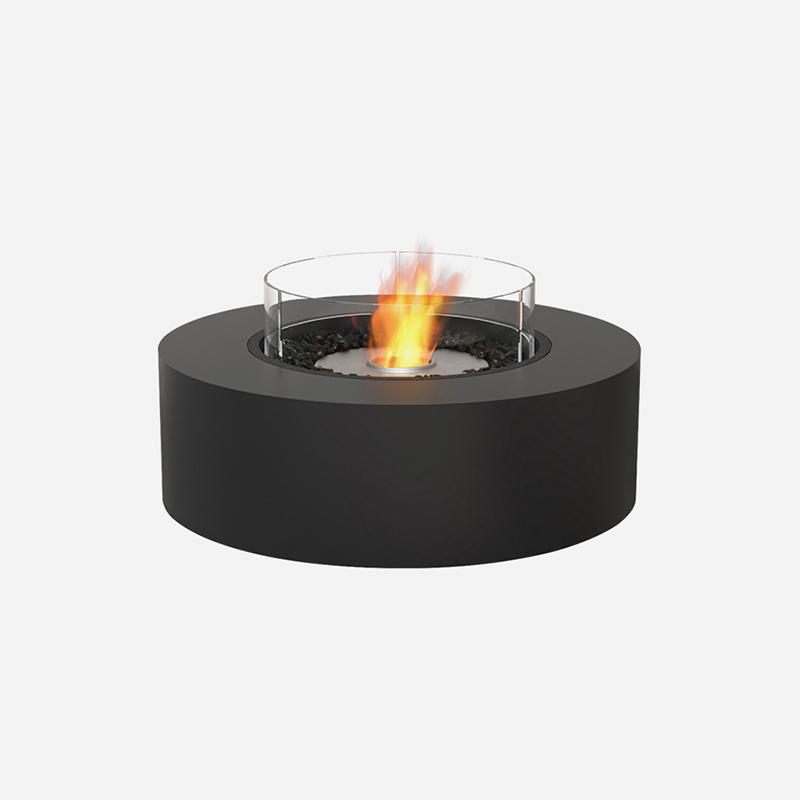
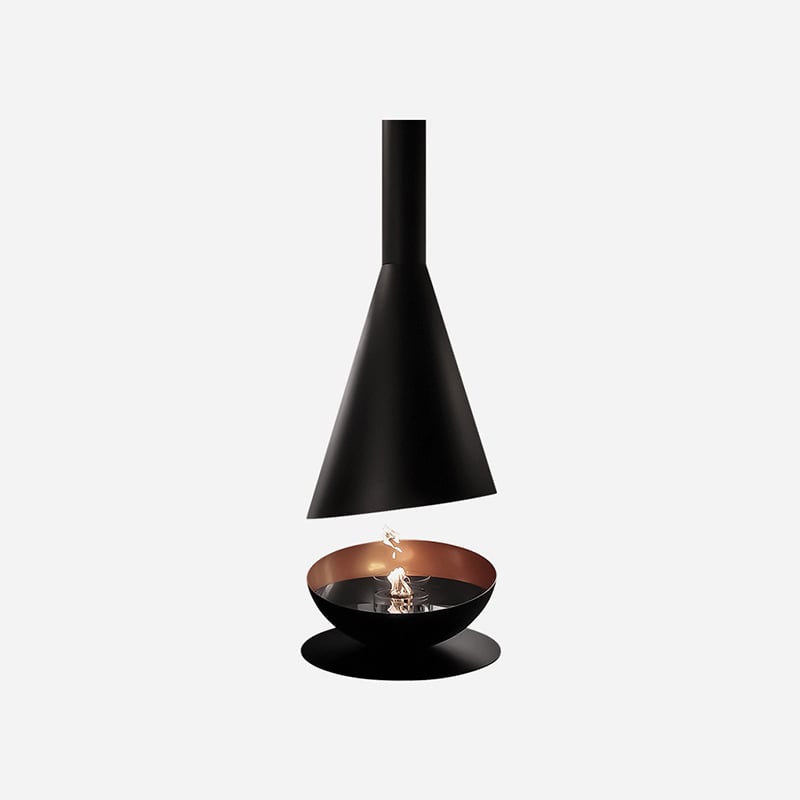
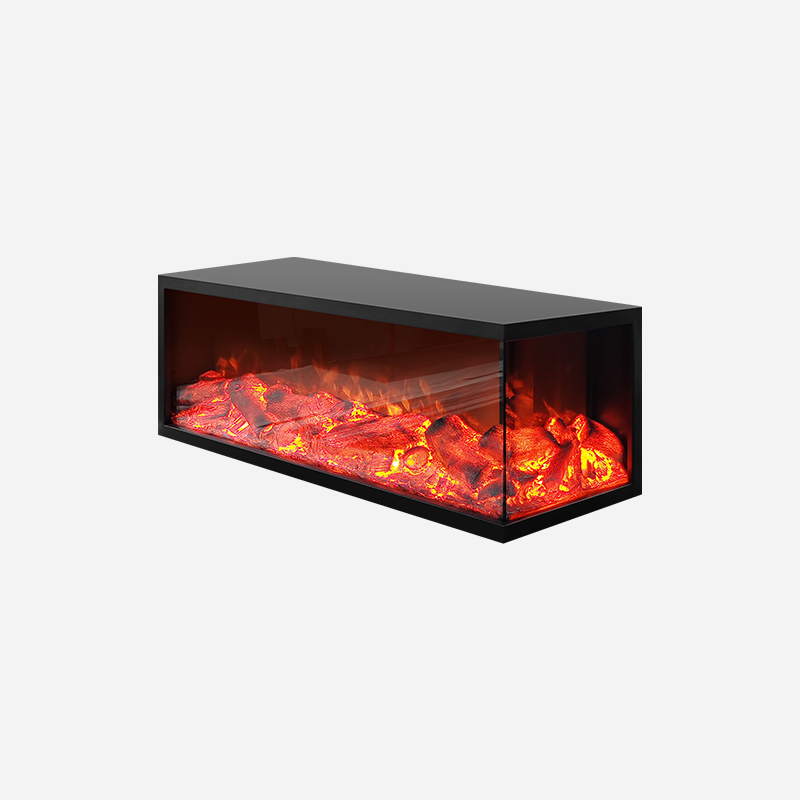
Built-in gas fireplaces offer a blend of functionality and aesthetic appeal, making them an ideal choice for modern living spaces. This article, focusing on "Built-in Gas Fireplace: Design Ideas for Any Room," will address the key considerations for B2B buyers, including cost factors, material advantages, common issues, supplier selection, and innovative design ideas. Understanding these aspects will help purchasing managers, distributors, and engineers make informed decisions when selecting the right built-in gas fireplace for their projects.
When assessing the cost of built-in gas fireplaces, buyers should consider several factors that influence the overall investment. Initial costs typically include the fireplace unit itself, installation expenses, and any necessary modifications to the existing infrastructure.
Unit Price: The price of built-in gas fireplaces varies based on size, design, and features. High-end units often incorporate advanced technology, such as remote controls and programmable thermostats, which may increase initial costs but offer long-term energy savings.
Installation Costs: Professional installation is crucial for ensuring safety and compliance with local regulations. This cost can vary based on the complexity of the installation, existing infrastructure, and local labor rates. Buyers should consider obtaining multiple quotes to compare installation costs effectively.
Operational Costs: Beyond initial expenses, ongoing operational costs should also be evaluated. Gas prices fluctuate, and the efficiency of the fireplace can significantly impact monthly bills. Opting for models with higher efficiency ratings may lead to lower operational costs in the long run.
Maintenance and Warranty: Buyers should factor in potential maintenance costs and warranty coverage. A product with a comprehensive warranty may offer peace of mind against future repairs, balancing upfront costs with long-term reliability.
By understanding these cost factors, buyers can make more informed decisions that align with their budget and project requirements.
The choice of materials in built-in gas fireplaces plays a significant role in their performance and suitability for different applications. Common materials used in construction include stainless steel, cast iron, and ceramic, each offering distinct advantages.
Stainless Steel: Known for its durability and resistance to rust, stainless steel is ideal for modern designs and outdoor installations. Its ability to withstand high temperatures while maintaining aesthetic appeal makes it a popular choice for high-end models.
Cast Iron: This material boasts excellent heat retention, ensuring that the fireplace radiates warmth even after the flame has been extinguished. Cast iron units are often favored for traditional designs and can add a rustic charm to any space.
Ceramic Glass: Used in the front panels of built-in gas fireplaces, ceramic glass provides a clear view of the flames while withstanding high heat. This material is essential for safety, as it prevents heat from escaping and ensures optimal efficiency.
Insulation Materials: Proper insulation is crucial for maintaining the efficiency of built-in built in gas fireplace. High-quality insulation materials can minimize heat loss, enhancing performance and reducing operational costs.
Understanding the advantages of these materials allows buyers to select fireplaces that best meet their specific design and performance criteria.
While built-in gas fireplaces are generally reliable, they can encounter issues that may affect performance. Being aware of these problems and their solutions can aid buyers in making informed choices.
Gas Leak: One of the most critical issues is a gas leak, which poses safety risks. Regular maintenance checks and the installation of gas leak detectors can mitigate this danger. Buyers should ensure that the supplier provides clear guidelines for periodic inspections.
Pilot Light Issues: A common problem is the pilot light going out, which can be caused by drafts or dirt buildup. Buyers should look for models that feature automatic ignition systems or easy access to the pilot light for maintenance.
Insufficient Heat Output: If a fireplace does not produce adequate heat, it may be due to incorrect sizing or installation. Buyers should consult technical specifications and ensure that the unit is appropriate for the intended space. Working with experienced installers can prevent these issues.
Glass Cleaning: Built-in gas fireplaces can accumulate soot and grime on the glass, obstructing the view of the flames. Buyers should consider models designed for easy cleaning, with removable glass panels or self-cleaning features.
By proactively addressing these common problems, buyers can ensure their built-in gas fireplaces remain functional and visually appealing.
Choosing the right supplier for built-in gas fireplace insert is crucial for ensuring quality and service. Here are some expert tips to guide buyers through the selection process.
Evaluate Experience and Expertise: Look for suppliers with a proven track record in the industry. Experience can indicate reliability, quality, and a deeper understanding of customer needs. Assess their portfolio and customer feedback to gauge their reputation.
Check Manufacturing Capabilities: A supplier with advanced manufacturing facilities, like MEISU. CH’s modern production workshops, can often provide higher-quality products. Understanding their production processes and quality control measures can reassure buyers of a reliable end product.
Customization Options: Many projects require specific designs or features. Suppliers that offer customization capabilities can better meet unique project requirements. Discuss potential modifications before making a commitment.
Post-Sale Support: Reliable suppliers provide ongoing support, including installation guidance, maintenance tips, and warranty information. Assess the level of customer service they offer and their responsiveness to inquiries.
Certifications: Ensure that the supplier meets relevant industry standards and possesses necessary certifications. This can reflect their commitment to quality and safety in manufacturing.
By carefully evaluating these factors, buyers can select a supplier that aligns with their project goals and quality expectations.
Built-in gas fireplaces offer versatility in design, enhancing the aesthetics of various spaces. Here are some innovative ideas for incorporating these fireplaces into different environments:
Modern Living Rooms: In contemporary settings, consider a sleek, linear built-in gas fireplace that serves as a focal point. Choose a minimalist design with a glass front to create an unobtrusive yet striking element.
Cozy Bedrooms: A built-in gas fireplace can add warmth and ambiance to a bedroom. Opt for a compact model integrated into a feature wall or cabinetry, providing both functionality and style without sacrificing space.
Outdoor Spaces: For patios or balconies, built-in gas fireplaces can create a cozy outdoor retreat. Look for weather-resistant materials and designs that complement outdoor aesthetics while providing warmth for gatherings.
Commercial Applications: In restaurants or hotels, built-in gas fireplaces can enhance the guest experience. Stylish designs can be incorporated into waiting areas or dining spaces, creating a welcoming atmosphere that encourages longer stays.
Unique Installations: Consider innovative placements, such as recessed fireplaces in walls or multi-sided units that can be viewed from multiple angles. These designs can maximize space and provide a unique visual appeal.
By exploring these design ideas, buyers can envision how built-in vent-less gas fireplace can elevate the ambiance of various settings, making them a valuable addition to any project.
 Hot News
2026-08-17
 EN
EN