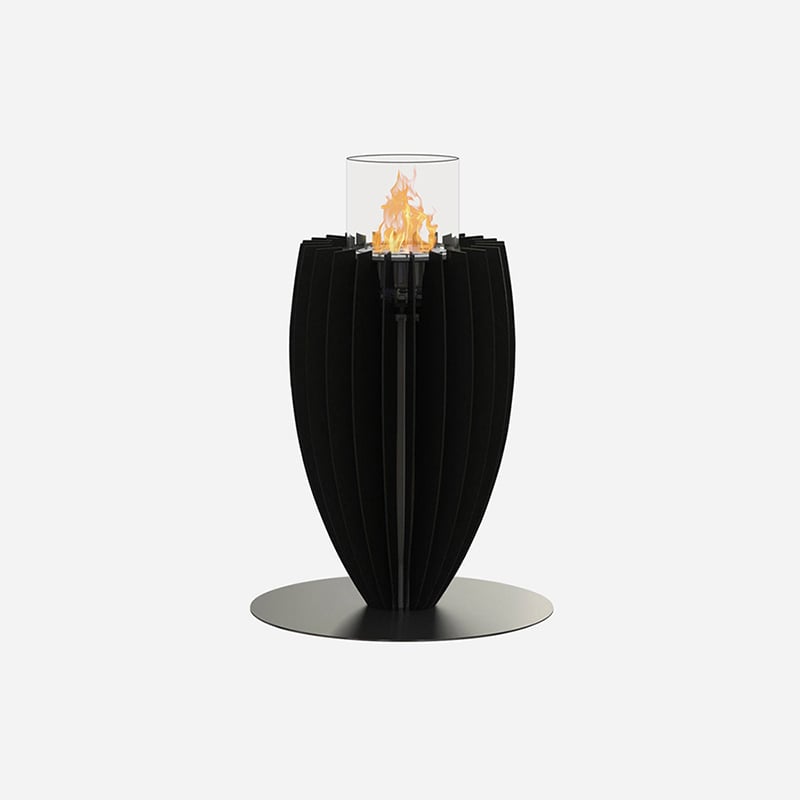
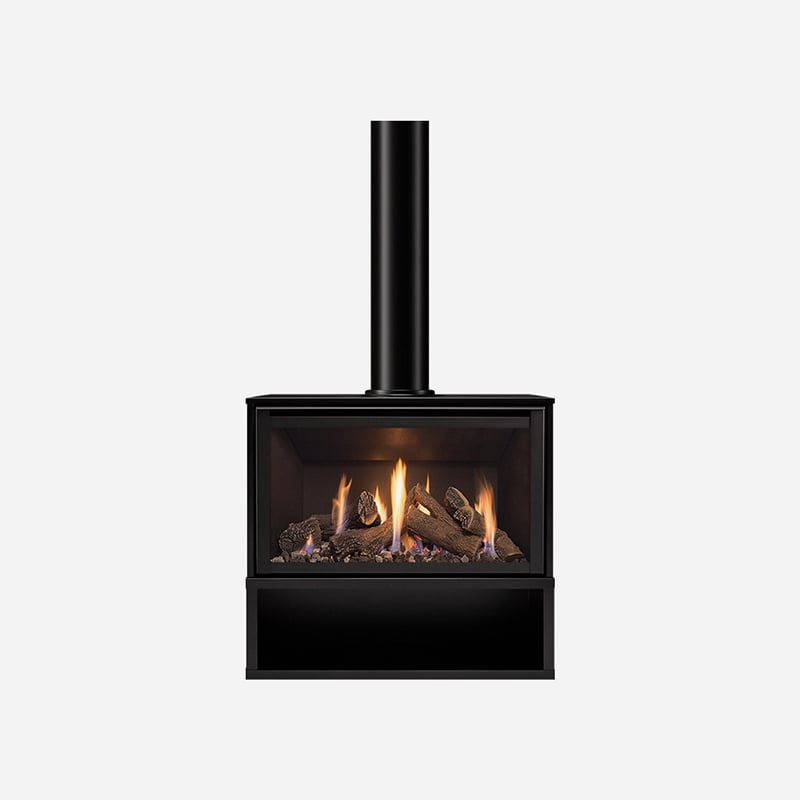
When considering the purchase of a gas fireplace, one of the most crucial decisions revolves around the choice between a direct vent gas fireplace and a ventless model. Each option has its unique set of advantages and disadvantages that can significantly impact installation, performance, and safety. This article will explore the key differences between direct direct vent gas fireplace and ventless options, helping B2B buyers including purchasing managers, distributors, and engineers—understand the implications of each choice. By addressing critical aspects such as installation requirements, common problems, and best practices, we aim to aid in making a more informed purchasing decision.
The primary distinction between direct vent and ventless gas fireplaces lies in their venting systems. The direct vent gas fireplace insert utilize a two-pipe system that draws air from outside for combustion and expels exhaust gases back outside. This design ensures efficient combustion, reduces indoor air pollution, and typically allows for installation in various locations without compromising indoor air quality.
On the other hand, ventless gas fireplaces do not require any external venting. They operate by burning gas efficiently and using the air in the room for combustion. While this may seem advantageous in terms of installation flexibility and cost savings, ventless models can lead to increased humidity levels and indoor air quality concerns over time. They are often subject to local regulations, and buyers should verify compliance before making a selection.
In summary, the choice between direct vent and ventless gas fireplaces affects not only the installation process but also the long-term environmental impact and safety of the unit.
When selecting a gas fireplace, several best practices should be followed to ensure optimal performance and compliance with safety standards.
Assess Installation Location: Evaluate the intended installation site for both types of fireplaces. Direct vent units may require specific clearances from combustible materials and often necessitate professional installation due to the complexity of the venting system. Ventless options, although easier to install, may be restricted by local building codes.
Understand Local Regulations: It is crucial to check local building codes and regulations regarding the use of ventless gas fireplaces, as some jurisdictions impose strict limits or outright bans due to safety concerns.
Consider the Heating Capacity: When choosing a gas fireplace, ensure that the heating capacity matches the size of the space. Direct vent models typically offer higher BTU outputs, which can effectively heat larger areas.
Evaluate Energy Efficiency: Look for fireplaces with energy-efficient ratings. Direct vent systems generally have higher efficiency levels, while ventless systems may reduce efficiency over time due to the accumulation of combustion byproducts.
Custom Features: Many manufacturers, including MEISU. CH, offer customization options for gas fireplace. Consider features such as style, finish, and additional functionalities like remote controls or thermostatic controls to enhance usability.
By adhering to these best practices, buyers can ensure that their chosen gas fireplace meets both their heating needs and safety standards, ultimately enhancing the value of their investment.
Understanding the installation requirements for both types of gas fireplaces is vital for a successful project.
Direct Vent Gas Fireplaces:
Venting System: Requires a two-pipe venting system, with one pipe bringing in outside air and the other expelling exhaust. This setup necessitates proper placement to comply with clearance guidelines.
Professional Installation: Due to the complexity of the venting system, skilled installation is recommended to ensure safety and compliance with local codes.
Clearance Specifications: Must maintain specific clearances from combustible materials, which can vary based on the model and manufacturer specifications.
Ventless Gas Fireplaces:
No External Venting: Can be installed in virtually any location, as they do not require external ventilation.
Installation Flexibility: Typically easier and less costly to install, but buyers should still verify that the fireplace complies with local regulations.
Air Quality Considerations: Proper air circulation is essential; ensure that the space is adequately ventilated to avoid excessive humidity and indoor air quality issues.
Both installation types require a thorough understanding of safety protocols and building codes. Buyers should work closely with their suppliers or certified installers to ensure that all aspects of installation are correctly addressed.
Both direct vent and ventless gas fireplaces come with their own set of potential issues. Understanding these problems and their solutions can lead to a smoother ownership experience.
Direct Vent Problems:
Vent Blockage: External vents can become clogged with debris, leading to poor performance. Regular maintenance and inspection are necessary to ensure unobstructed airflow.
Installation Errors: An improperly installed venting system can lead to safety hazards. Always engage certified professionals for installation to prevent these issues.
Ventless Problems:
Humidity and Air Quality: Continuous operation can increase humidity levels, which may lead to mold and mildew. It is essential to ensure adequate ventilation in the space.
Odor Issues: Ventless fireplaces can sometimes emit odors, especially when first ignited. Regular cleaning and maintenance can help mitigate this issue.
By being aware of these problems and taking proactive measures, buyers can enhance the longevity and performance of their gas fireplaces.
Selecting a reputable manufacturer is crucial for ensuring product quality and reliability. Here are key considerations when searching for dependable suppliers:
Manufacturing Capabilities: Look for manufacturers with advanced production facilities and a strong background in gas fireplace technology. MEISU. CH, known for its high-end manufacturing capabilities, exemplifies a company committed to quality.
Certifications and Quality Control: Verify that the manufacturer complies with industry standards and holds relevant certifications. This often indicates a commitment to quality and safety in their production processes.
Customization Options: A manufacturer that offers customization can better cater to specific project needs, ensuring that the gas fireplace perfectly fits the intended application.
Customer Support: Reliable manufacturers provide strong customer service and support, assisting with installation queries, troubleshooting, and warranty issues.
References and Reviews: Research customer feedback and industry reputation. Positive testimonials and case studies can provide insights into the reliability and performance of the manufacturer’s products.
By carefully evaluating these factors, buyers can make informed decisions and select a manufacturer that aligns with their quality and performance expectations.
 Hot News
2026-08-17
 EN
EN