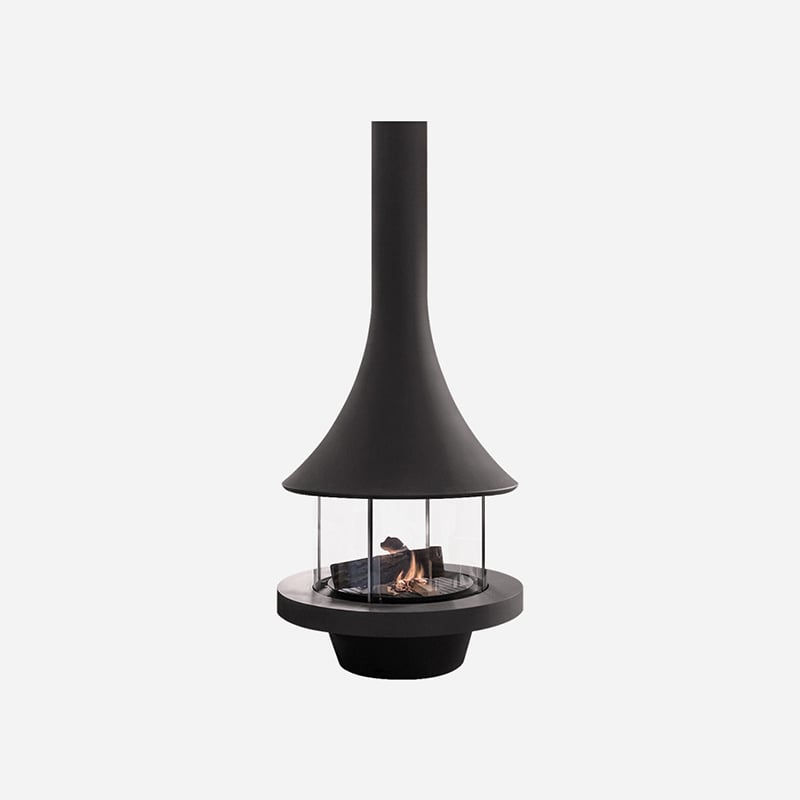
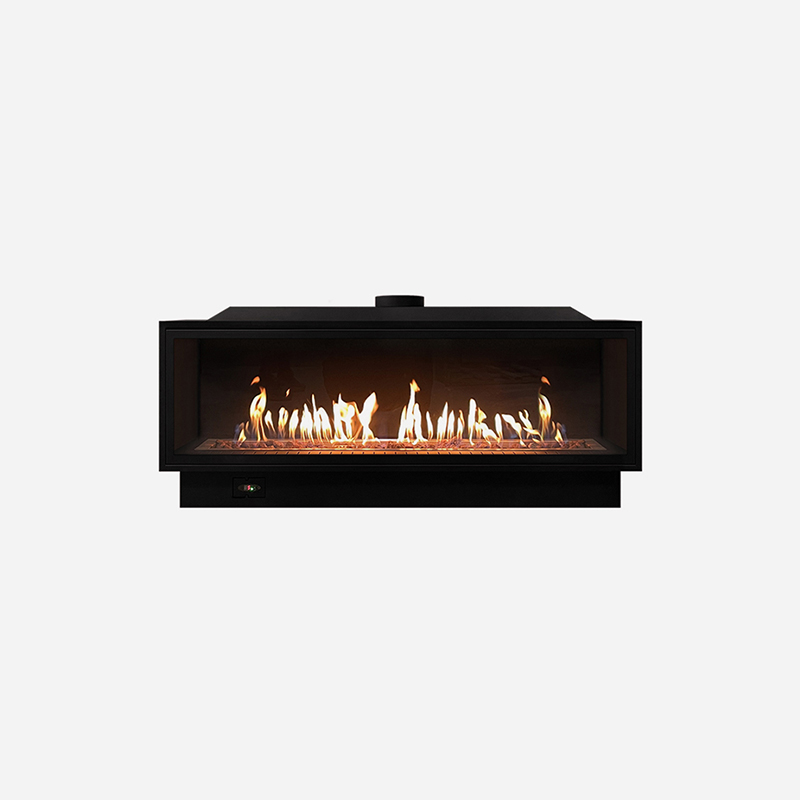
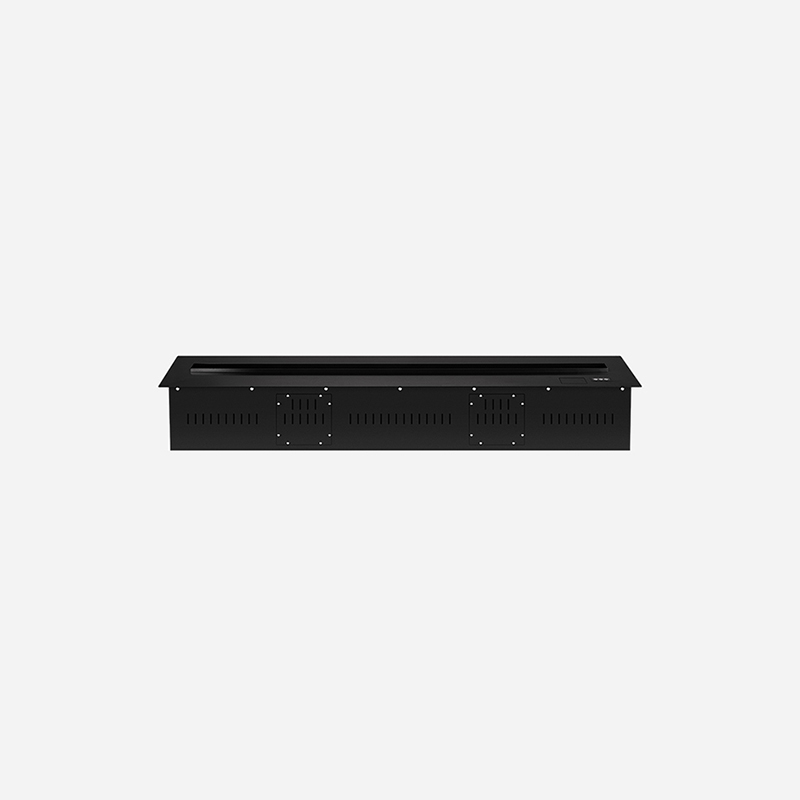
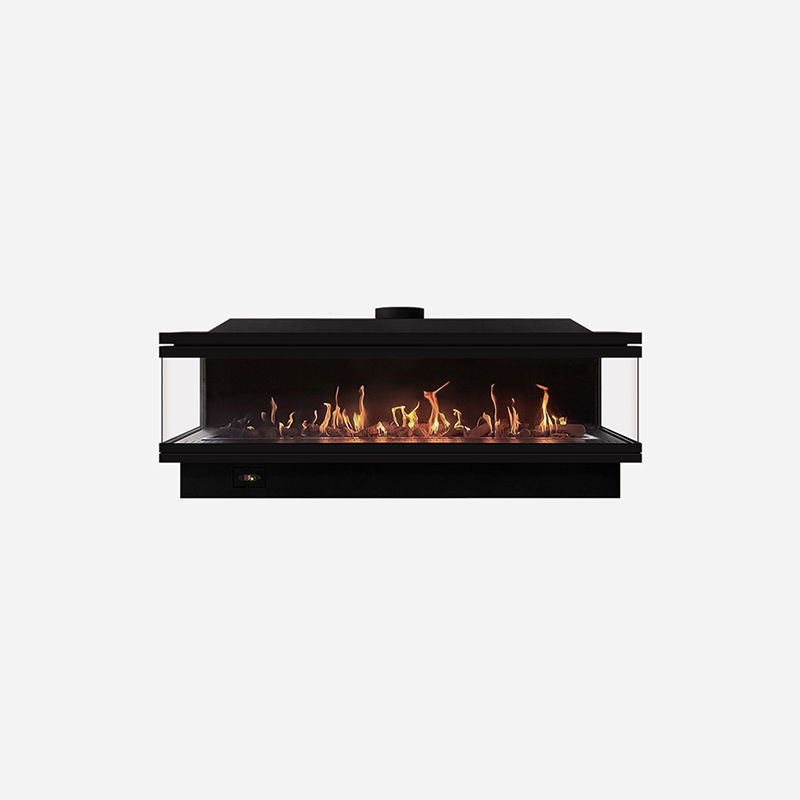
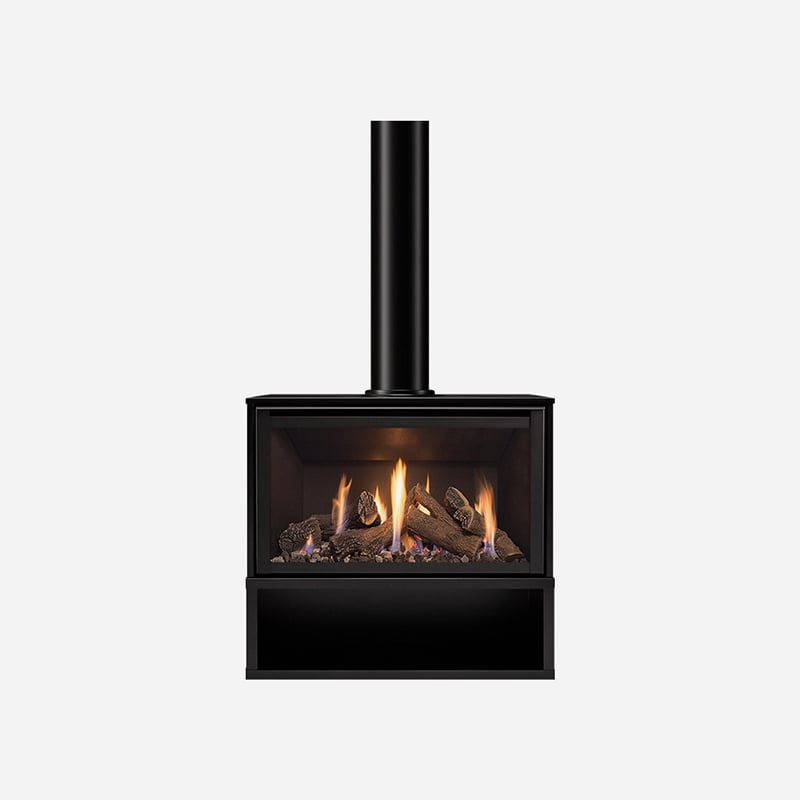
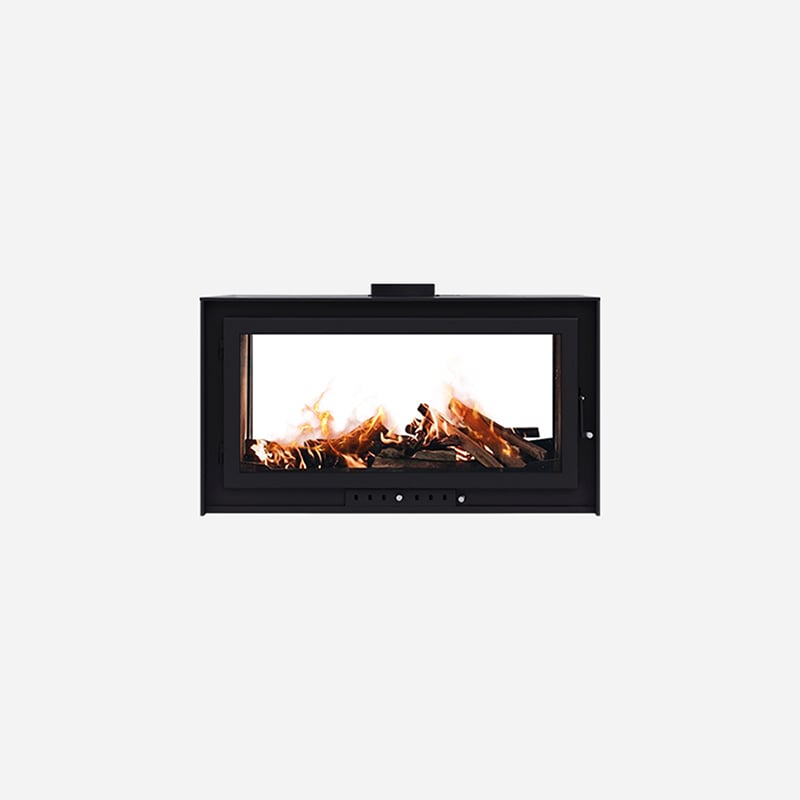
When considering a new fireplace for your business, the choice between a gas suspended fireplace and an electric one can significantly impact your space's ambiance, efficiency, and operational costs. This article will delve into the key factors that should guide your decision-making process, helping purchasing managers, distributors, and facility managers make informed choices. By exploring specifications, sourcing quality products, installation methods, and potential issues, we aim to clarify the differences between gas suspended fireplaces and electric options.
Selecting between a gas suspended fireplace and an electric fireplace involves evaluating several critical factors. Firstly, operational costs should be an essential consideration. Gas fireplaces typically have lower running costs compared to electric models, especially in regions where natural gas is readily available. However, the installation costs for gas lines and venting systems can be substantial.
Secondly, aesthetic preferences play a crucial role. Gas fireplaces often provide a more authentic flame experience and heat output, while electric models offer the flexibility of design and placement without the need for venting. This can be particularly advantageous in business environments where decor is key.
Thirdly, consider the maintenance requirements. Gas fireplaces generally require regular servicing to ensure safe operation, while electric fireplaces typically require less maintenance. However, the availability of skilled technicians for outdoor gas fireplace systems can vary by region.
Finally, assess the safety features and regulatory compliance required for each type. Gas fireplaces must adhere to stricter safety regulations and often require more extensive installation procedures, while electric fireplaces usually have simpler compliance requirements.
Understanding the specifications of gas suspended and electric fireplaces is vital for making an informed choice. Here are some key specifications to consider:
Heat Output: Measured in BTUs (British Thermal Units) for gas fireplaces, heat output determines how effectively the unit can warm a space. Electric fireplaces are rated by wattage, affecting their heating capability. A higher BTU or wattage rating generally means a more powerful heater.
Dimensions: The size of the fireplace needs to fit within your designated space. Gas models may require additional space for venting, while electric models may allow for more flexible installation options.
Fuel Efficiency: For gas fireplaces, check the AFUE (Annual Fuel Utilization Efficiency) rating, which indicates how efficiently the fireplace converts gas to heat. Electric models are usually 100% efficient in heat conversion, but this can vary based on the electricity source.
Installation Requirements: outdoor fireplace may require professional installation due to their complexity, including venting and gas line connections. Electric fireplaces, on the other hand, could be easier to install, often requiring only a standard electrical outlet.
Control Options: Both types can come with various control options, from manual switches to remote controls and smart home integration. Consider the ease of use and accessibility when choosing a model.
When sourcing fireplaces, it's crucial to partner with a reputable manufacturer like MEISU. CH, known for its advanced manufacturing capabilities and quality assurance processes. Here are some steps to ensure you source quality products:
Verify Manufacturing Standards: Ensure that the manufacturer follows stringent quality control processes and has the necessary certifications for safety and performance. This includes compliance with local and international regulations.
Assess Customization Capabilities: Depending on your project, you might need customized solutions. Discuss options for bespoke designs or specifications that cater to unique business requirements.
Check Production Capacity: Understand the manufacturer’s production capacity to ensure they can meet your order volumes without compromising on quality or lead times.
Request Samples: Before placing a bulk order, request samples to evaluate the aesthetic and functional qualities of the fireplaces. This can help you identify any potential issues before mass production.
Review Packaging Methods: Proper packaging is essential to prevent damage during transit. Ensure the manufacturer employs robust packaging solutions to protect the fireplaces.
Setting up gas and electric fireplaces involves specific procedures that ensure safe and effective operation:
Installation: Engage a licensed professional to install gas lines and ensure proper venting. This is critical to avoid any safety hazards associated with gas leaks or improper ventilation.
Testing: After installation, conduct a thorough inspection and testing of the system to ensure there are no leaks and that the fireplace operates correctly.
Safety Checks: Implement regular maintenance checks to ensure the gas fireplace operates efficiently and safely. This includes checking for gas leaks and ensuring the venting system is clear.
Placement: Choose a suitable location near an electrical outlet. Ensure the area is free from obstructions and complies with local electrical codes.
Connection: Simply plug the unit into a standard outlet. Many electric fireplace come with user-friendly instructions for set-up.
Safety Features: Familiarize yourself with the safety features, such as automatic shut-off functions, to prevent overheating or other hazards.
Both gas suspended and electric fireplaces can encounter common issues that may affect their performance:
Gas Leaks: Regularly check for gas leaks, especially after installation or maintenance. Use a soap solution to detect leaks in gas lines.
Pilot Light Issues: If the pilot light goes out, follow the manufacturer's instructions for relighting it safely. If it frequently goes out, there may be an issue with the thermocouple or gas supply.
Power Supply Problems: Ensure the fireplace is plugged in correctly and that the outlet is functioning. If the fireplace doesn’t turn on, check for tripped breakers or blown fuses.
Heating Issues: If the electric fireplace isn’t heating as expected, verify that the heater settings are correct and that the unit is not obstructed by furniture or other items.
By understanding these specifications and operational aspects, you can make a more informed choice between gas suspended fireplaces and electric models, ensuring your selection aligns with your business needs and aesthetic goals.
 Hot News
2026-08-17
 EN
EN