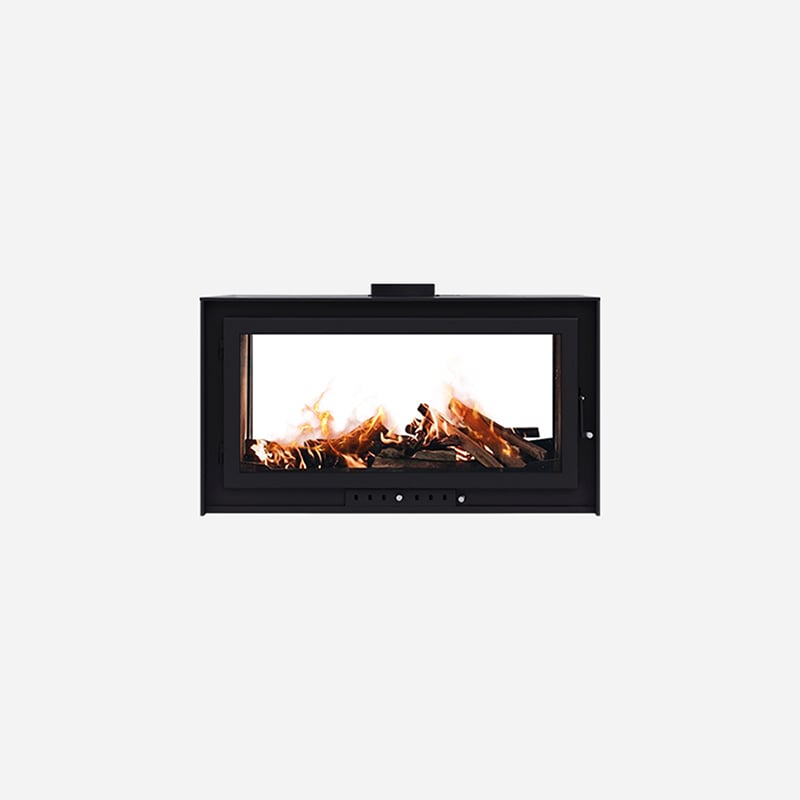
When considering a fireplace for commercial or residential applications, the choice between propane gas fireplaces and natural gas fireplaces can be pivotal. This article will explore the differences between the two options, specifically addressing the question: "Propane Gas Fireplace vs Natural Gas: Which Is Better?" Key concerns for buyers typically include cost, efficiency, installation requirements, and overall performance. By the end, you will have a clearer understanding of which option may best meet your needs.
When selecting between propane and natural gas fireplaces, several factors come into play. Firstly, fuel availability is crucial. Natural gas is piped directly into many homes and businesses, making it easily accessible in areas where infrastructure supports it. Conversely, propane is typically delivered in tanks, which may require more logistical planning, especially for remote locations.
Cost is another significant factor. Propane generally has a higher per-gallon price compared to natural gas per therm, but it often burns hotter and provides more heat per unit. Therefore, evaluating the long-term operating costs versus the initial installation costs is essential. Additionally, consider the efficiency ratings of the fireplace in question, as this will impact both fuel consumption and heating effectiveness.
Lastly, assess installation requirements. Propane fireplaces may require special venting systems, while natural gas fireplace often rely on existing gas lines. Understanding these requirements can help avoid unexpected costs during installation.
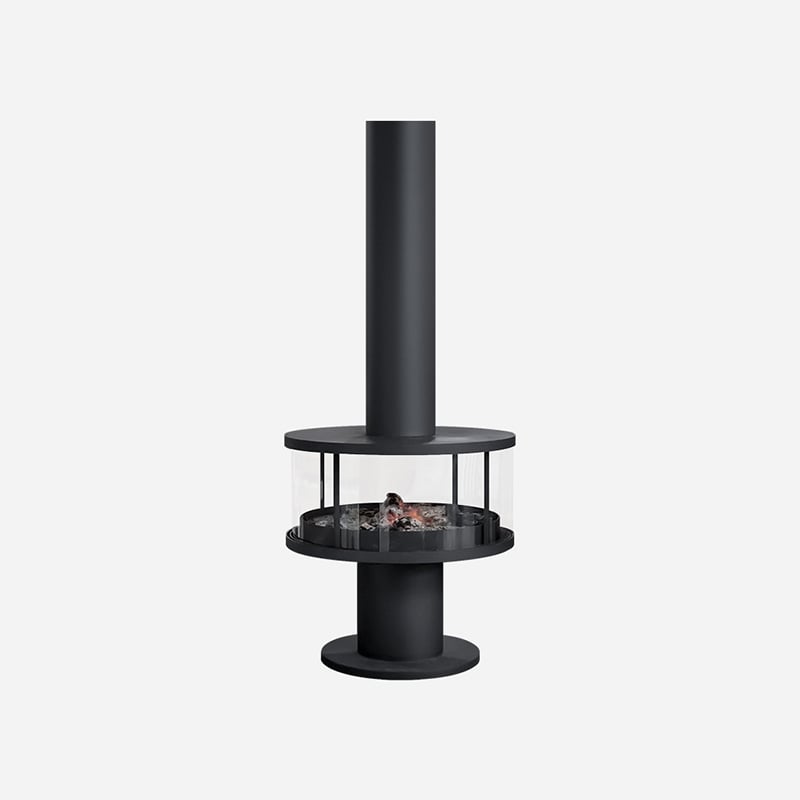
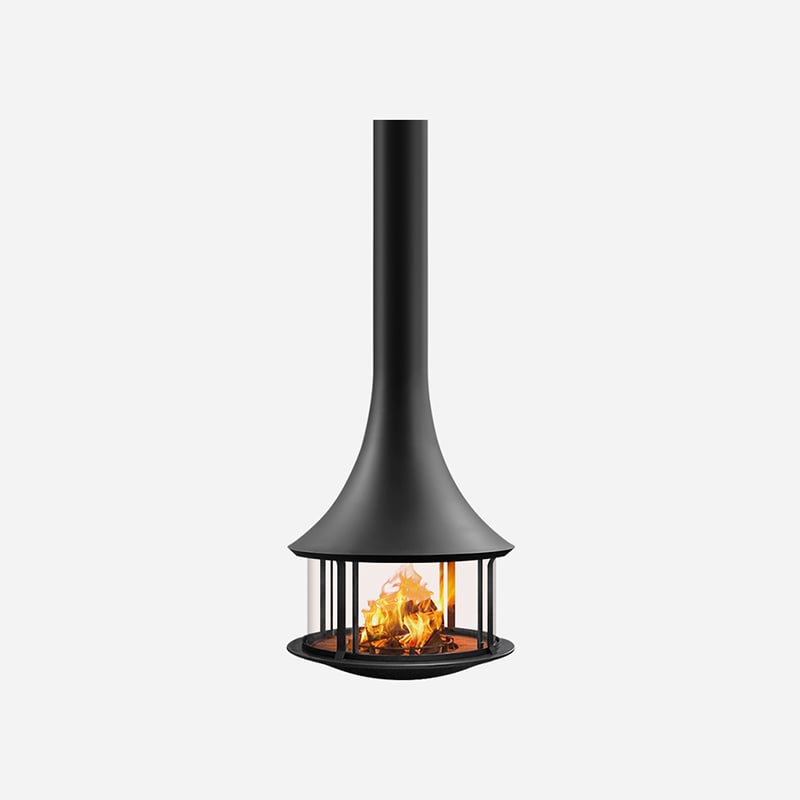
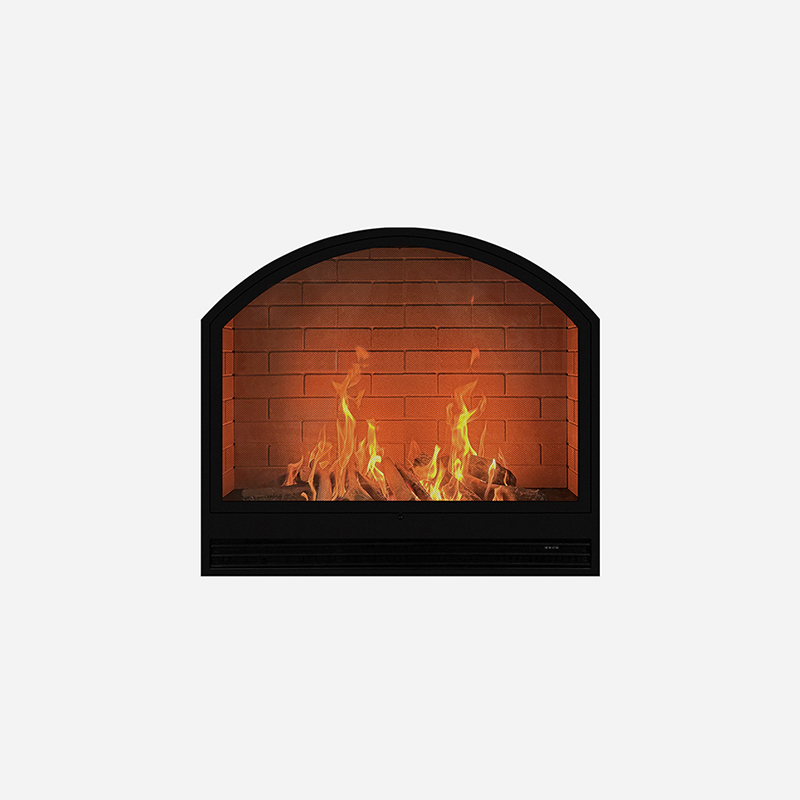
Both propane and natural gas fireplaces come in various styles and configurations, catering to different aesthetic and functional needs. For instance, propane fireplaces tend to offer a wider range of designs, including modern, rustic, and traditional styles, which can be beneficial for commercial spaces looking to enhance their ambiance.
When selecting specific models, consider the heat output measured in BTUs (British Thermal Units). Higher BTU ratings indicate greater heating capacity, which is vital for larger areas. Additionally, check the efficiency ratings; a unit with an efficiency rating above 80% is typically considered good for both propane and natural gas options.
Furthermore, look into customization options available from manufacturers like MEISU. CH. High-end manufacturers often allow for tailored designs that meet specific aesthetic and performance requirements, including customizable finishes and built-in features.
Quality evaluation is crucial when selecting propane or natural gas fireplaces. Start by examining the materials used in construction. High-quality fireplaces are usually made from durable materials such as stainless steel, which resists corrosion and enhances longevity.
Additionally, review the certifications of the fireplaces. Look for products that comply with safety standards set by recognized bodies, such as the American National Standards Institute (ANSI) or Underwriters Laboratories (UL). These certifications ensure that the products meet safety and performance benchmarks.
Another important aspect is the manufacturer's warranty. A robust warranty indicates the manufacturer's confidence in their product quality. Buyers should also inquire about quality control processes during manufacturing, as these processes directly impact the reliability and performance of the modern fireplace.
Installation is a critical stage in utilizing propane or natural gas fireplaces. For propane fireplaces, ensure that the installation includes proper ventilation to prevent gas buildup and ensure safe operation. Additionally, since propane is stored in tanks, consider how often refills will be required and whether the installation site allows for easy tank access.
Natural gas installations often require less maintenance in terms of fuel delivery; however, ensure that the local gas supply is reliable and that the connections are made by qualified professionals to meet local codes.
Before installation, it's advisable to prepare a site assessment that includes checking for adequate clearance, venting options, and accessibility for maintenance. Consulting with a professional installer can help ensure compliance with local regulations and safety standards.
Ultimately, the decision between propane and natural gas fireplaces boils down to specific needs and circumstances. For businesses or residential applications where fuel supply is consistent and accessible, natural gas may be the better option due to its cost-effectiveness and efficiency. However, for areas lacking natural gas infrastructure or where aesthetic flexibility is a priority, propane may offer a superior solution.
Moreover, when discussing solutions with manufacturers like MEISU. CH, consider asking for sample units to assess fit and finish before committing to a larger order. This step can prevent potential issues during installation and usage, ensuring that the chosen fireplace meets both operational and aesthetic needs.
understanding the differences between propane and natural gas fireplaces can significantly influence your decision-making process. By evaluating the aforementioned factors, you can select a solution that aligns with your operational requirements, budget, and design preferences.
 Hot News
2026-08-17
 EN
EN