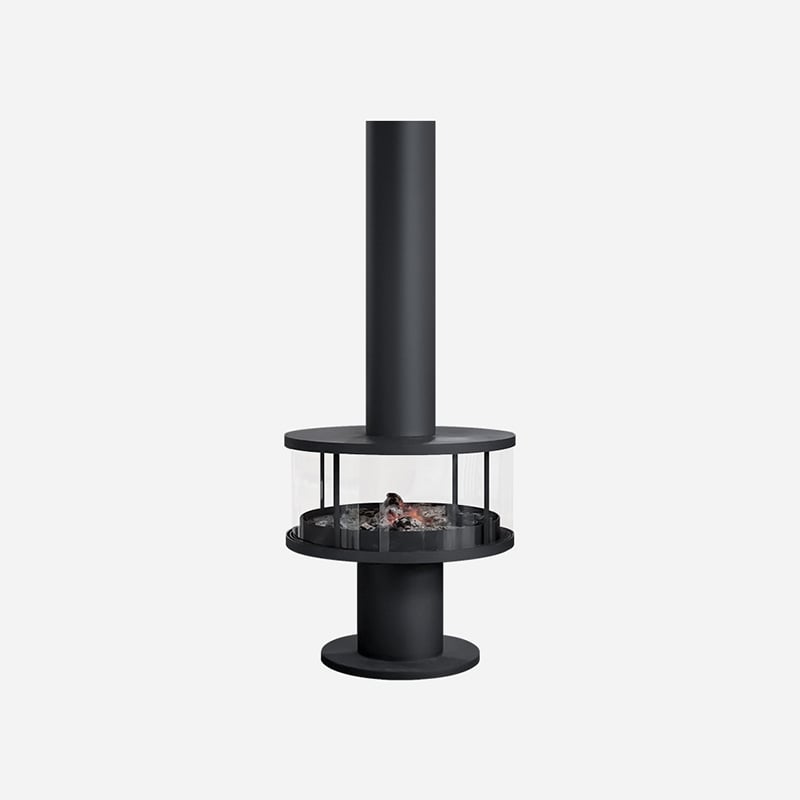
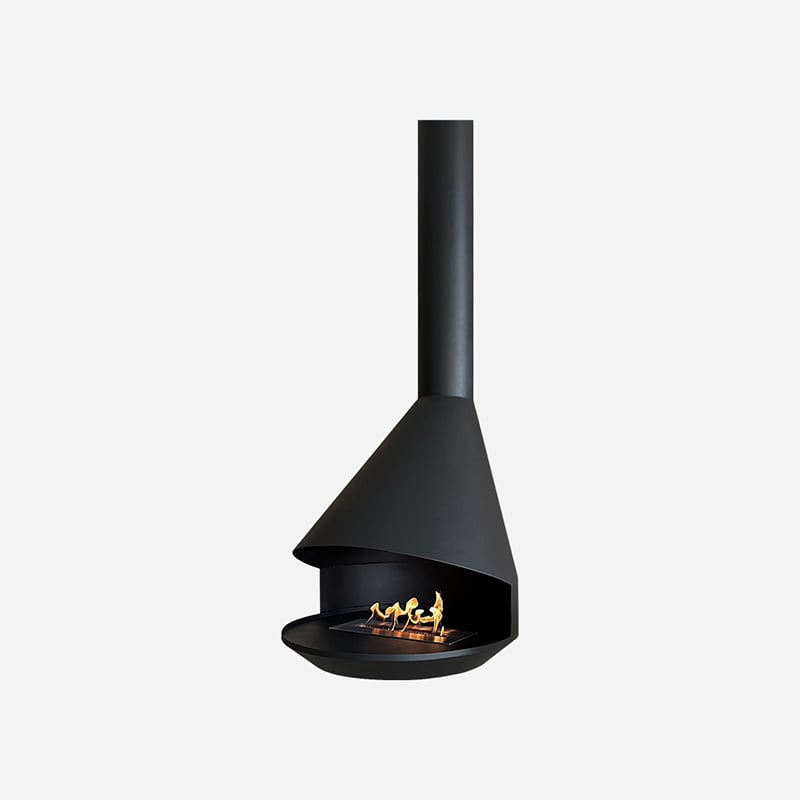
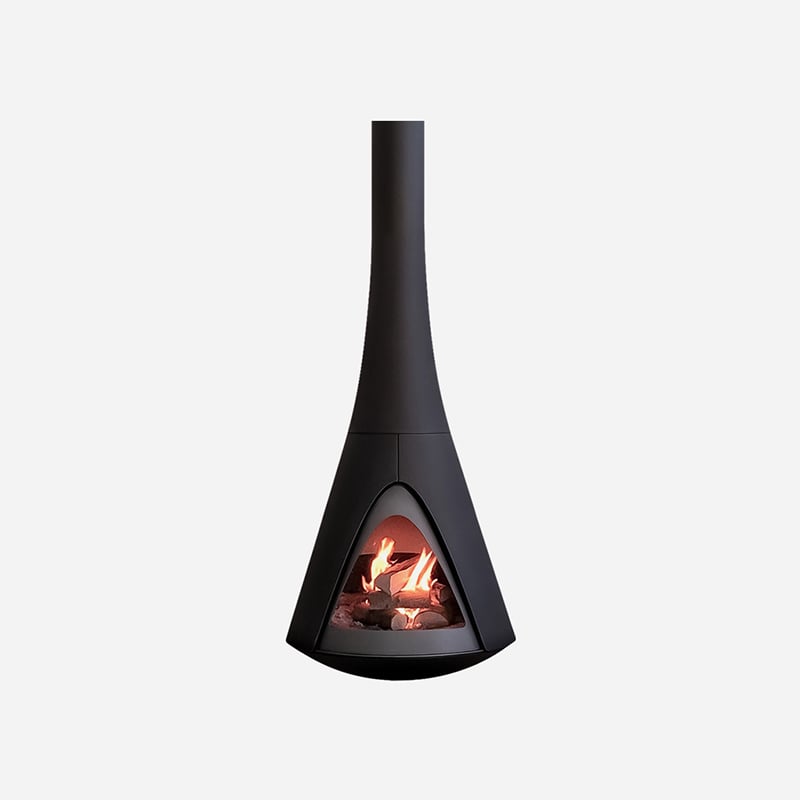
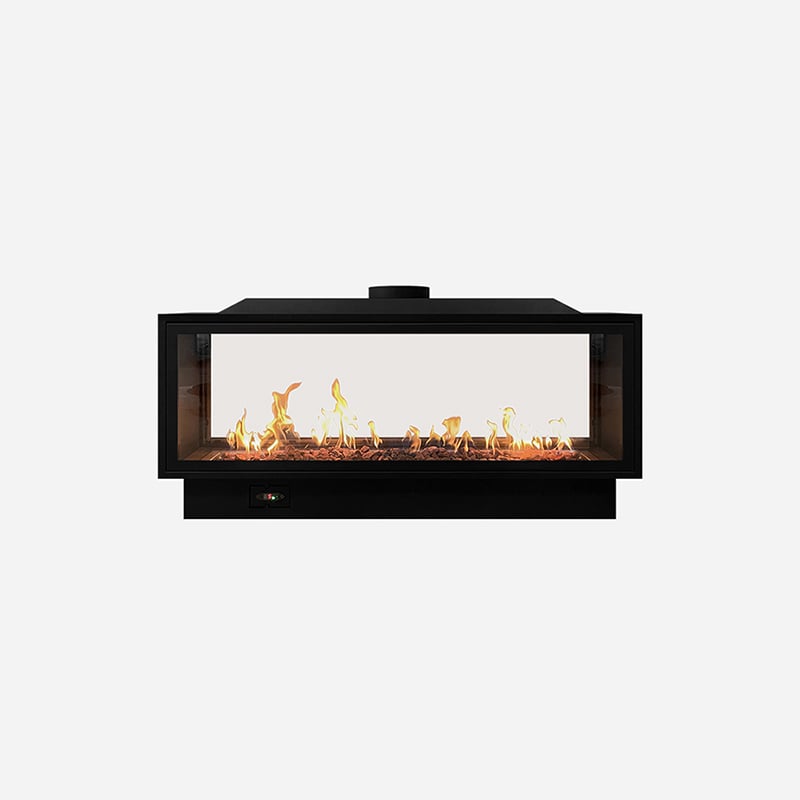
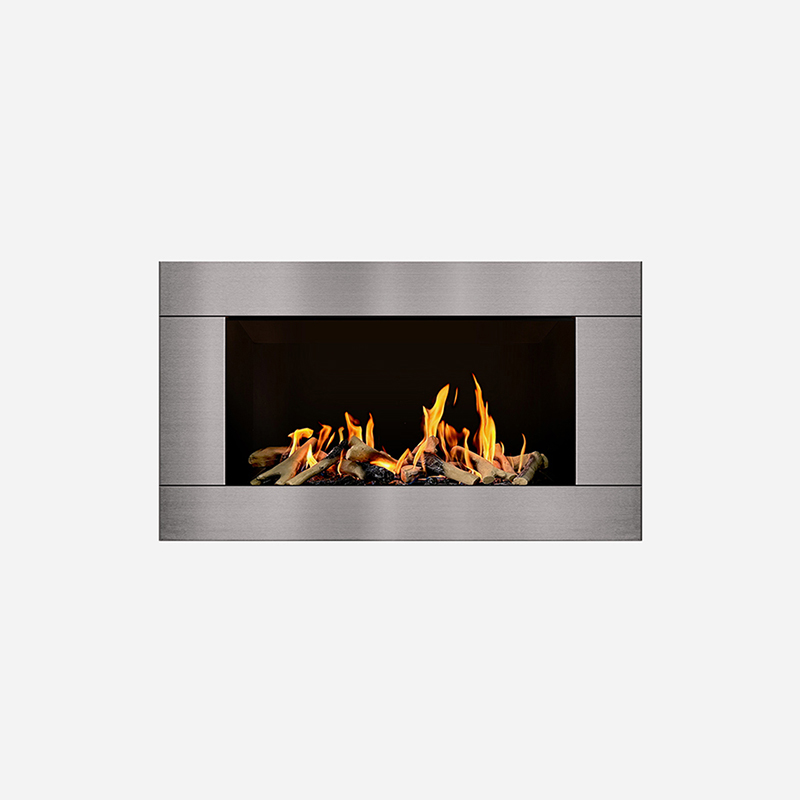
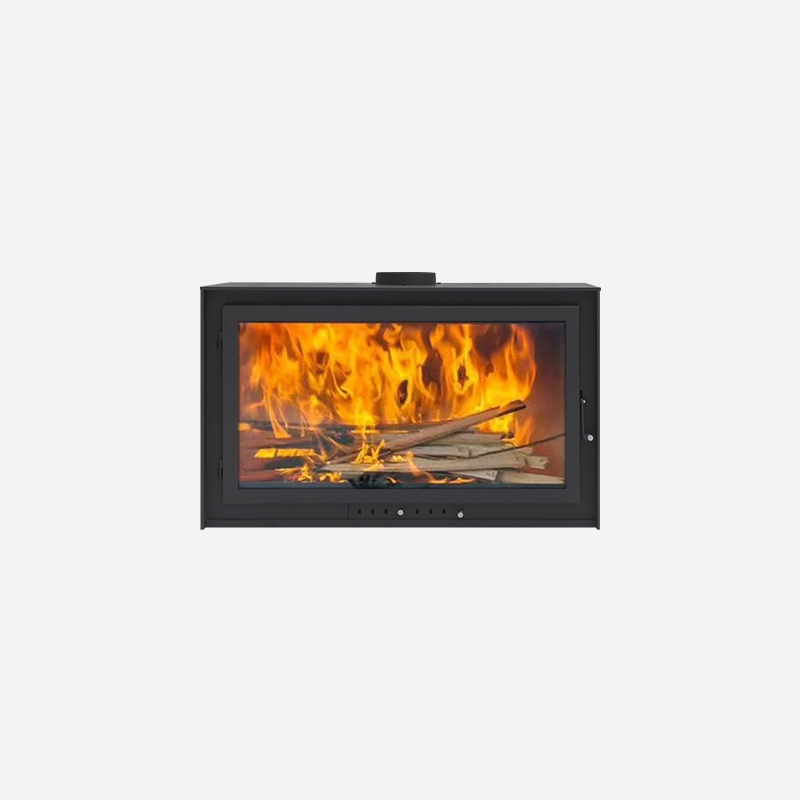
Installing a gas fireplace can be a significant investment, and understanding the costs involved is crucial for any purchasing manager, distributor, or project manager in the construction and home improvement sectors. The primary keyword, "How Much Does It Cost to Install a Gas Fireplace?", encapsulates the concerns of B2B buyers who need precise information about the financial implications, installation requirements, and product specifications. This article will provide valuable insights into the costs associated with gas fireplace installation, the options available, and factors to consider when assessing manufacturing standards and solutions.
When evaluating the installation of a gas fireplace, it's essential to consider the various options available in the market. The gas fireplace come in different types, including direct vent, ventless, and B-vent models. Each option has its own installation requirements, efficiency ratings, and design aesthetics.
Direct Vent Fireplaces: These units require a venting system, making them ideal for homes without a traditional chimney. They are typically more efficient but may incur higher installation costs due to additional venting materials.
Ventless Fireplaces: These are easier to install as they do not require a chimney or external venting. However, buyers should assess local regulations, as some areas have restrictions on their use.
B-Vent Fireplaces: This type uses a chimney to vent exhaust gases outside. It generally provides a traditional look and feel but may involve more complex installation.
Understanding these options allows buyers to align their choices with project budgets and customer preferences, impacting overall installation costs.
The manufacturing standards of gas fireplaces significantly affect their performance, safety, and durability. When assessing potential suppliers, consider these key factors:
Material Quality: Look for manufacturers that use high-grade materials, such as stainless steel and ceramic glass, which enhance both durability and aesthetics.
Certifications: Ensure that the manufacturer complies with relevant industry standards (e. g., ANSI, CSA). Certifications indicate adherence to safety and performance benchmarks.
Quality Control Processes: A thorough quality control process during manufacturing can prevent defects and ensure consistent product performance. Inquire about inspection protocols and testing methods used before products leave the factory.
Customization Capabilities: Many buyers seek customized solutions tailored to specific project requirements. Assess the manufacturer's ability to accommodate modifications in design, size, and features.
By focusing on these manufacturing standards, buyers can better understand the quality and reliability of the gas modern fireplace they are considering, which impacts both installation costs and long-term performance.
Gas fireplaces offer a variety of solutions tailored to different applications and environments. Here are some practical considerations when proposing solutions to clients:
Heater Efficiency: Select models with high efficiency ratings to ensure optimal heating performance while minimizing energy costs. Look for units with an efficiency rating above 80%.
Design Flexibility: Consider fireplaces that offer a range of styles and finishes, allowing for integration into various interior designs. Custom options can enhance the appeal for upscale projects.
Smart Technology Features: Many modern gas fireplaces come equipped with smart technology for remote control and automated operation. This can be a selling point for tech-savvy buyers.
Maintenance Requirements: Discuss the maintenance needs of different models, as this can influence the total cost of ownership. Some units are designed for easy access, reducing service time and costs.
These solutions not only address the aesthetic and functional needs of buyers but also enhance the overall value proposition of the installation.
The installation cost of a gas fireplace can vary widely based on several factors:
Type of Fireplace: As previously mentioned, the type of gas fireplace significantly impacts the installation costs. Ventless models may be less expensive to install, while direct vent fireplaces often incur higher labor and material costs.
Installation Complexity: Factors such as the existing infrastructure, the need for additional venting, or modifications to existing structures can add complexity and cost to the installation.
Labor Costs: Local labor rates can vary significantly. It's essential to obtain multiple quotes from qualified installers to ensure competitive pricing.
Additional Features: Features such as remote control, decorative surrounds, and built-in shelving can add to the overall cost of the project.
Permitting and Inspection Fees: Depending on local regulations, there may be additional costs associated with obtaining permits and scheduling inspections, which should be factored into the overall budget.
By understanding these components, B2B buyers can make informed decisions about their project budgets and expectations for gas fireplace installations.
Gas fireplaces can be ideal in several scenarios, making them a versatile choice for various projects:
Residential Homes: They are suitable for modern homes that prioritize energy efficiency and aesthetic appeal.
Commercial Spaces: In commercial settings like restaurants and hotels, gas fireplaces can enhance ambiance and provide effective heating.
Remodeling Projects: For renovations where traditional chimneys are impractical, ventless models can be an excellent solution.
New Constructions: Incorporating gas fireplaces in new builds allows for creative design integration and optimal placement for heating efficiency.
Outdoor Spaces: Gas fireplaces designed for outdoor use can extend the usability of patio and garden areas, providing warmth and ambiance.
By identifying these ideal scenarios, buyers can better market gas fireplace solutions to their customers, ensuring that installations meet specific needs and enhance overall satisfaction.
In summary, understanding the costs associated with installing a gas fireplace involves a comprehensive evaluation of options, manufacturing standards, and potential solutions. By considering these factors, B2B buyers can make informed decisions that align with their project goals and customer expectations.
 Hot News
2026-08-17
 EN