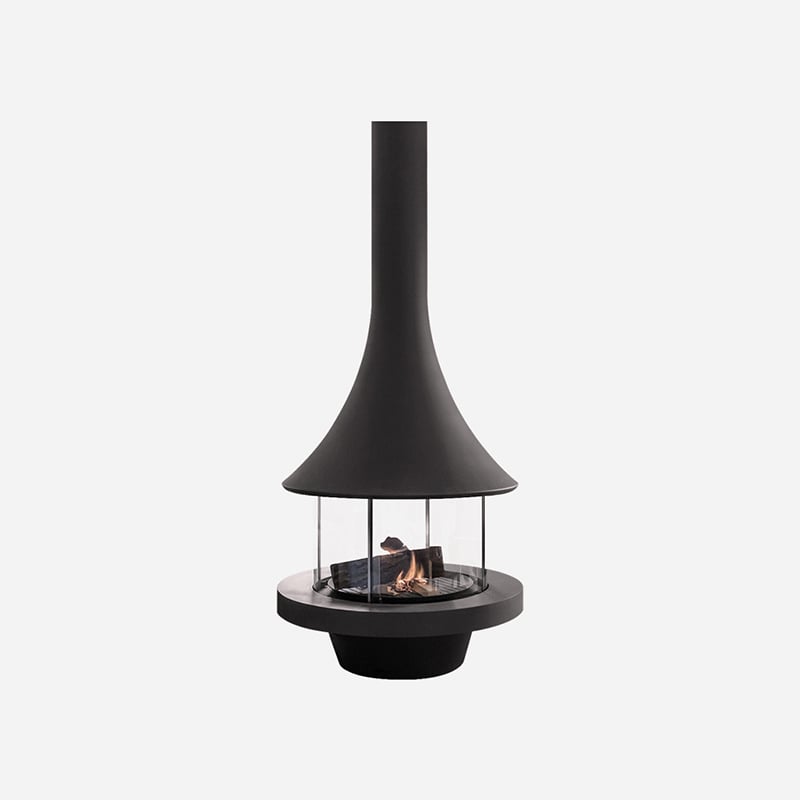
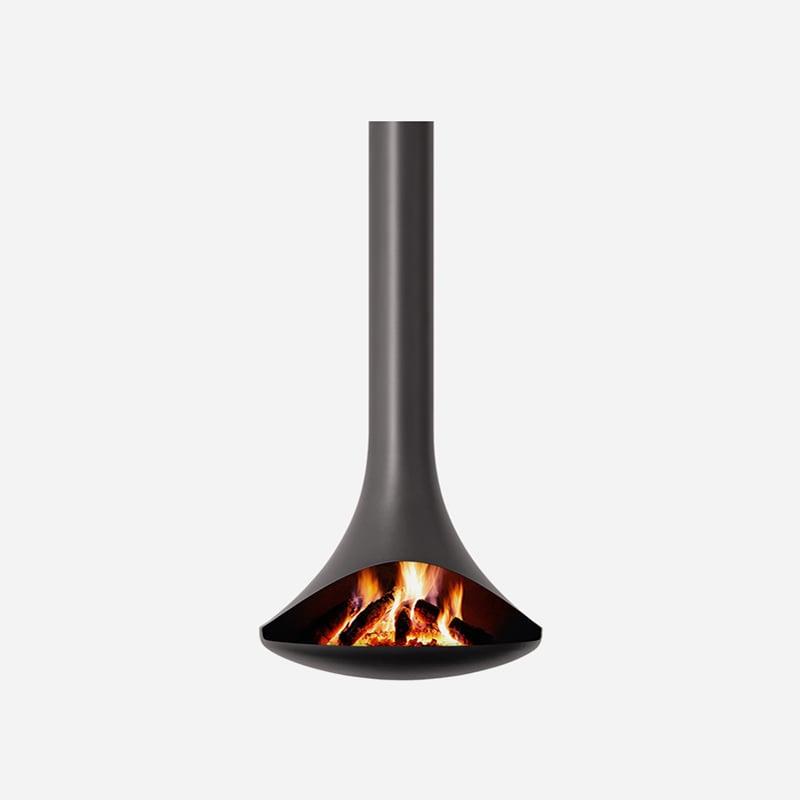
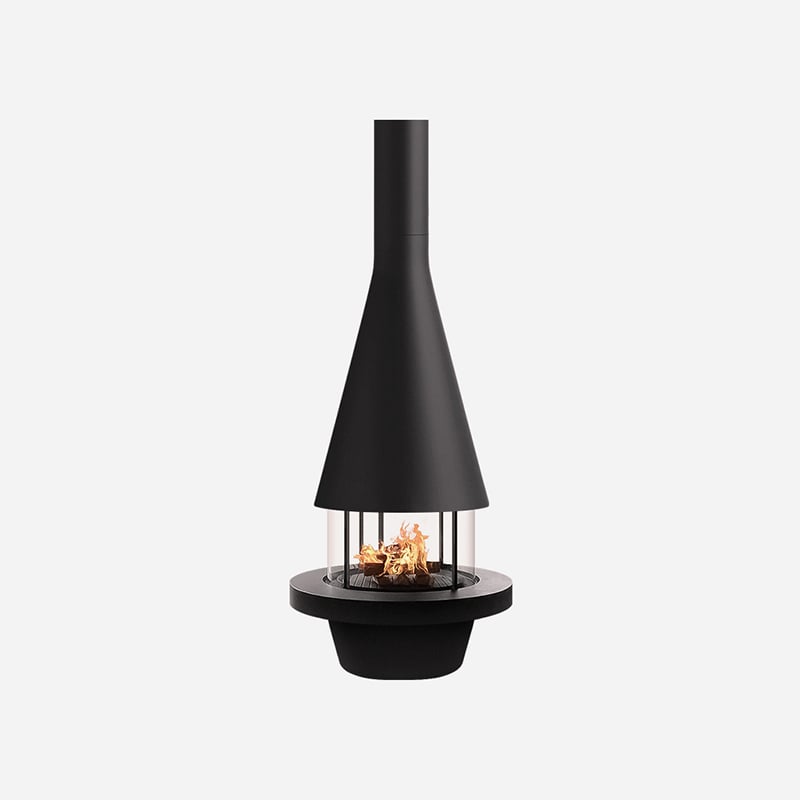
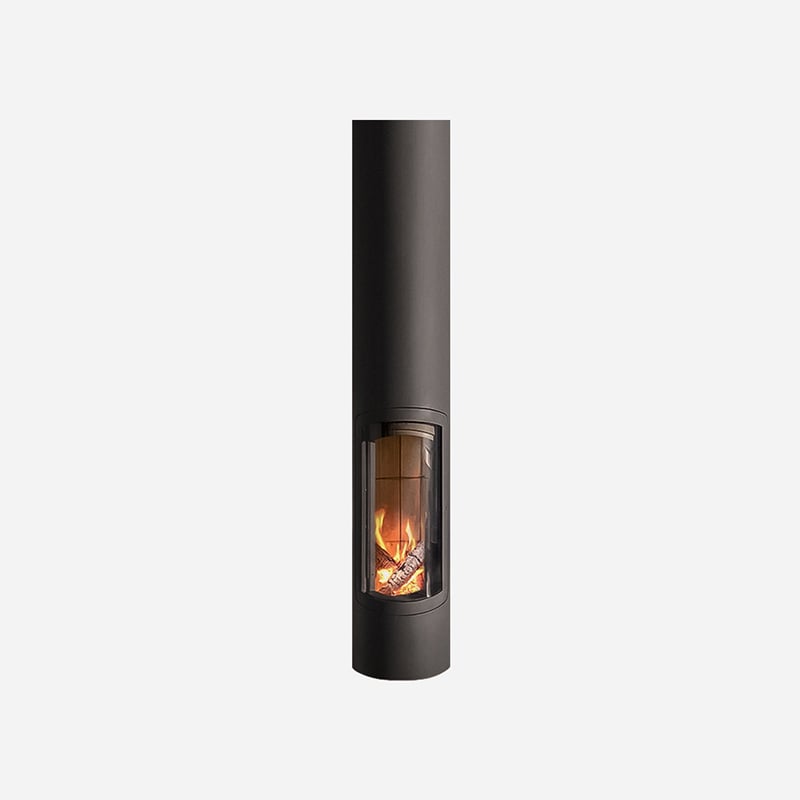
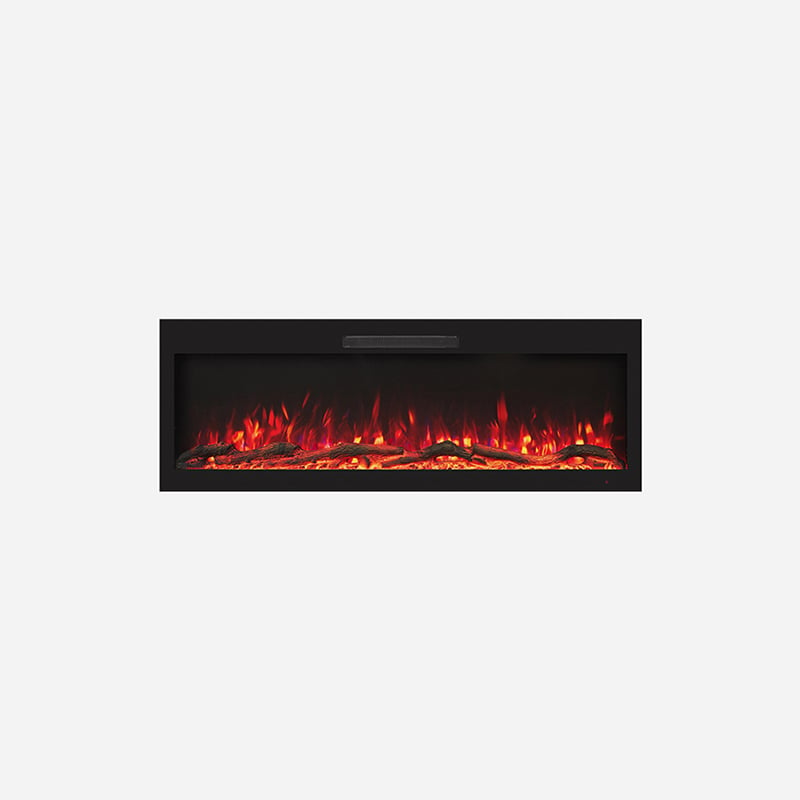
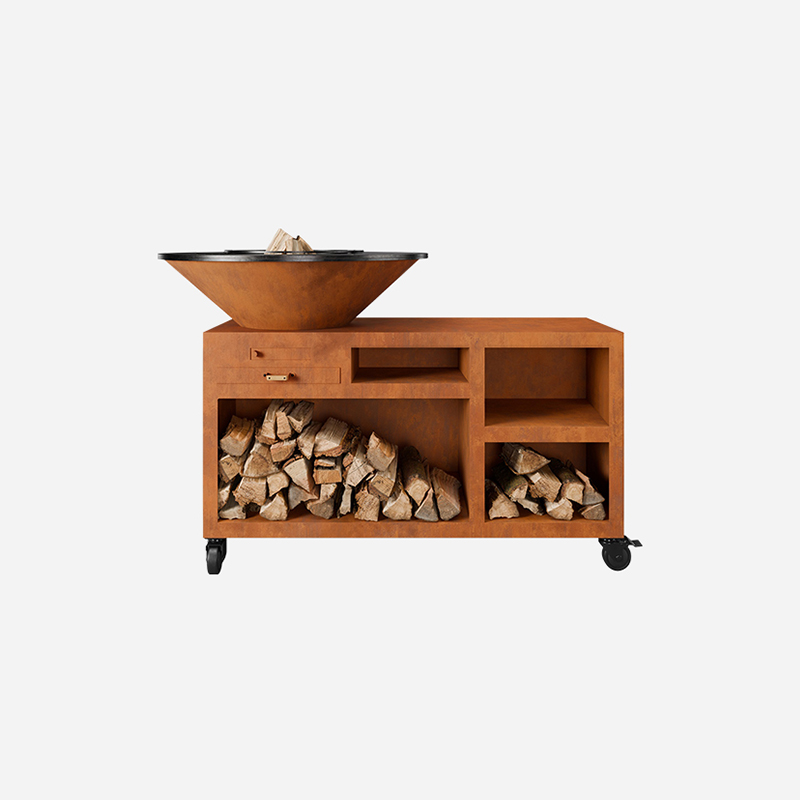
Transforming a living space with a suspended fireplace installation can elevate aesthetic appeal while providing warmth and comfort. As a unique architectural feature, suspended fireplaces require thoughtful selection and installation to ensure safety, compatibility, and visual harmony with the surrounding environment. This article will guide you through the essential considerations for choosing the right suspended fireplace, understanding key specifications, sourcing reliable suppliers, troubleshooting common problems, and exploring various applications in modern interior design. Whether you’re a purchasing manager, architect, or interior designer, this information will help you navigate the complexities of suspended fireplace installations effectively.
Selecting the right suspended fireplace involves considering several factors to ensure it meets both functional and aesthetic needs. First, assess the space available for installation. The dimensions of the fireplace, including height and width, should complement the room’s proportions without overwhelming it.
Next, evaluate the heating capacity required. This is typically measured in BTUs (British Thermal Units) and depends on the room size and insulation. A electric fireplace that’s too small will struggle to heat the area effectively, while an oversized unit might lead to excessive heat and energy waste.
Additionally, consider the fuel type whether wood, gas, or electric. Each option has distinct installation requirements and operational characteristics. Gas and electric fireplaces generally offer cleaner operation and easier installation compared to wood-burning models, which may require chimney systems.
Finally, aesthetic preferences play a crucial role. Suspended fireplaces come in various designs, from minimalist modern to more traditional styles. Choose a unit that aligns with your design vision while also being practical for everyday use.
When evaluating suspended fireplaces, several key specifications should be taken into account to ensure quality and performance.
Material Composition: Look for fireplaces made from durable materials such as stainless steel, which offers resistance to corrosion and high temperatures. Other materials, like glass or stone, can enhance the visual appeal but may require more maintenance.
Heat Output: Check the fireplace’s heat output specifications, usually provided in BTUs. This metric will he
lp you determine if the unit can adequately heat the intended space.
Dimensions: The dimensions of the fireplace should be compatible with the installation site. Ensure there is adequate clearance from combustible materials and that the fireplace is proportionate to the room size.
Safety Features: High-quality units often include safety features such as automatic shut-off valves for gas models and protective screens. These features enhance user safety and prevent accidents.
Efficiency Ratings: Look for fireplaces with high-efficiency ratings, which indicate better heat retention and lower fuel consumption. This is especially important for commercial applications where energy costs can significantly impact budgets.
Finding a reliable supplier for suspended fireplaces is crucial to ensure quality and compliance with safety standards. Start by researching manufacturers with a strong reputation in the industry. MEISU. CH, for example, is known for its high-end manufacturing capabilities and advanced production processes, making it a viable option for sourcing modern outdoor fireplace.
Check for certifications that demonstrate adherence to safety and quality standards, such as ISO certifications or compliance with regional building codes. These certifications can provide peace of mind regarding the product’s safety and durability.
Networking within industry events, such as trade shows or expos, can also help identify reputable suppliers. Engaging with industry professionals can provide insights into supplier reliability and product performance.
Lastly, request samples or prototypes before committing to a large order. This allows you to evaluate the product quality firsthand and ensure that it meets your specific requirements.
While suspended fireplaces can be a stunning addition to any interior, they are not without their challenges. Here are common problems and effective solutions:
Installation Issues: Improper installation can lead to safety hazards. Always hire qualified professionals to install the fireplace, ensuring that it meets all local building codes and safety regulations.
Insufficient Heat Output: If a fireplace fails to provide adequate heat, it may be due to sizing errors. Re-evaluate the BTU requirements based on the space and consider upgrading to a more powerful model if necessary.
Fuel Supply Problems: For gas fireplaces, ensure a reliable gas supply and check for leaks regularly. For electric models, confirm that the electrical system can support the fireplace’s power requirements.
Maintenance Concerns: Regular maintenance is essential for optimal performance. Schedule periodic cleaning and inspections to prevent buildup of soot and to check safety features.
Aesthetic Issues: If the fireplace does not fit well with the surrounding décor, consider custom finishes or surrounds that enhance the overall design without compromising functionality.
Suspended fireplaces have gained popularity in various applications, enhancing both residential and commercial interiors. In modern homes, they serve as focal points in living rooms, open-plan spaces, or even bedrooms, creating a cozy ambiance without occupying floor space.
In commercial settings, such as hotels or restaurants, suspended fireplaces can contribute to an inviting atmosphere, encouraging guests to linger. Their unique design can also differentiate a brand, reinforcing an upscale image.
Additionally, architects and interior designers are increasingly using suspended fireplaces in outdoor spaces, such as terraces or patios. These installations not only provide warmth in cooler months but also enhance outdoor entertaining areas, making them more inviting.
When considering applications, ensure that the fireplace meets local zoning regulations and safety codes, particularly in outdoor settings, where wind and exposure to the elements can affect performance.
In summary, transforming your ceiling with a suspended fireplace installation is a strategic decision that requires careful consideration of various factors, from design preferences to technical specifications. By understanding how to choose the right unit, the key specifications that matter, where to source reliable suppliers, troubleshooting common issues, and recognizing the diverse applications, you can make informed decisions that enhance your interior space effectively.
 Hot News
2026-08-17
 EN