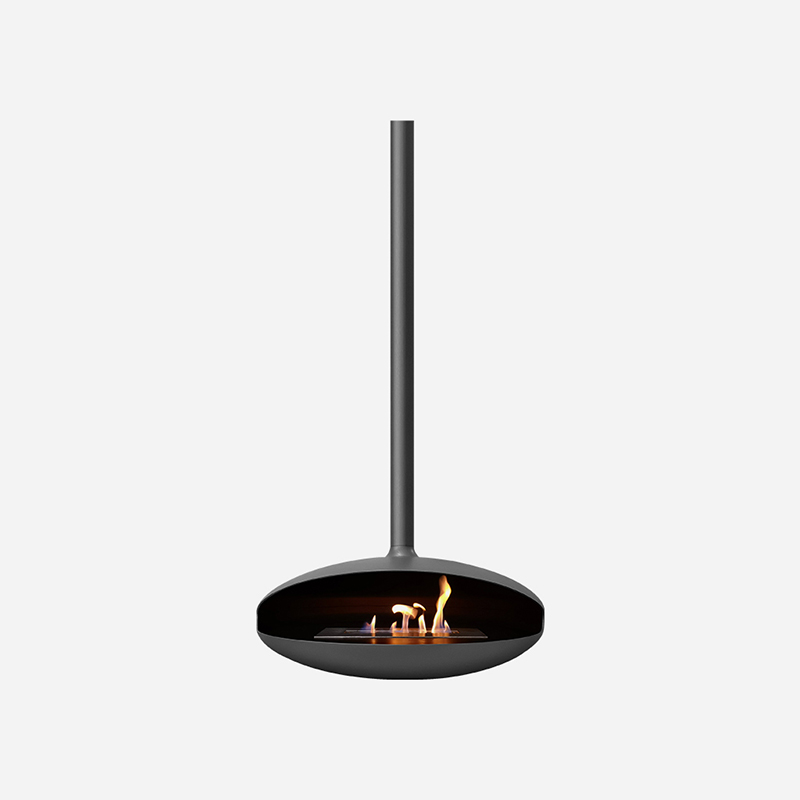
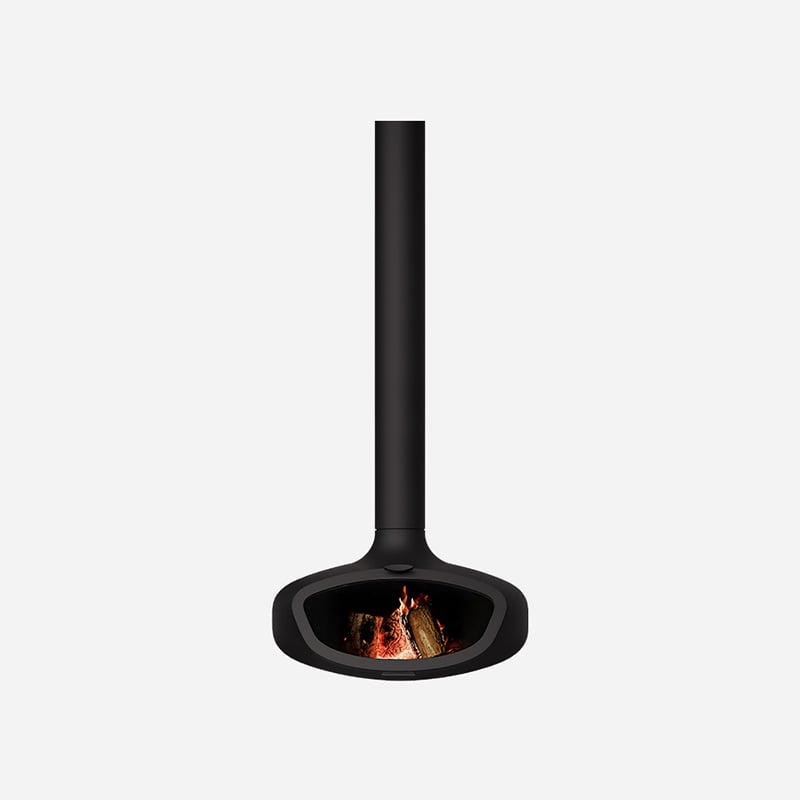
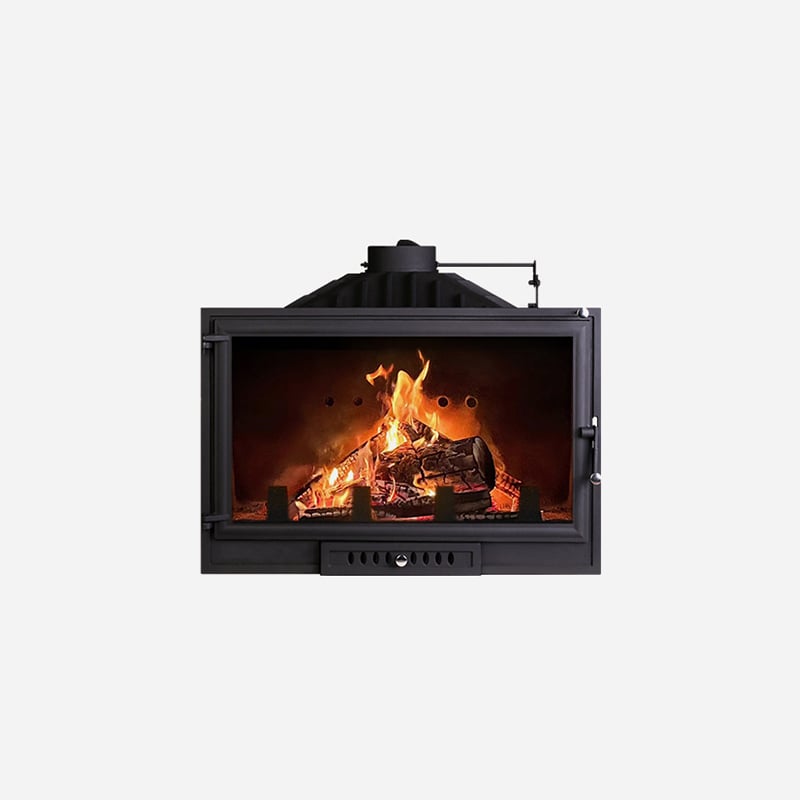
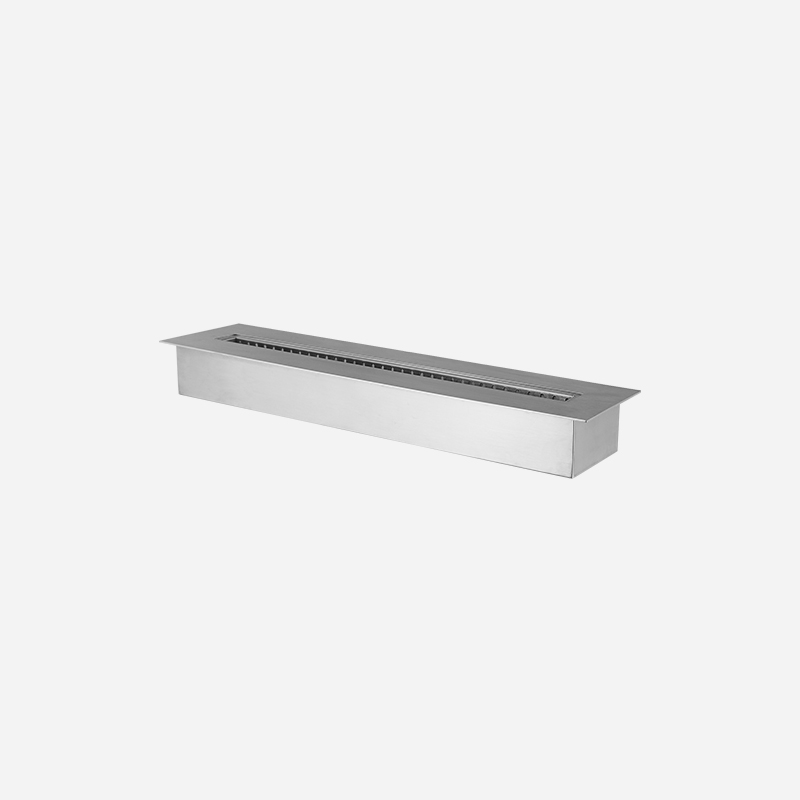
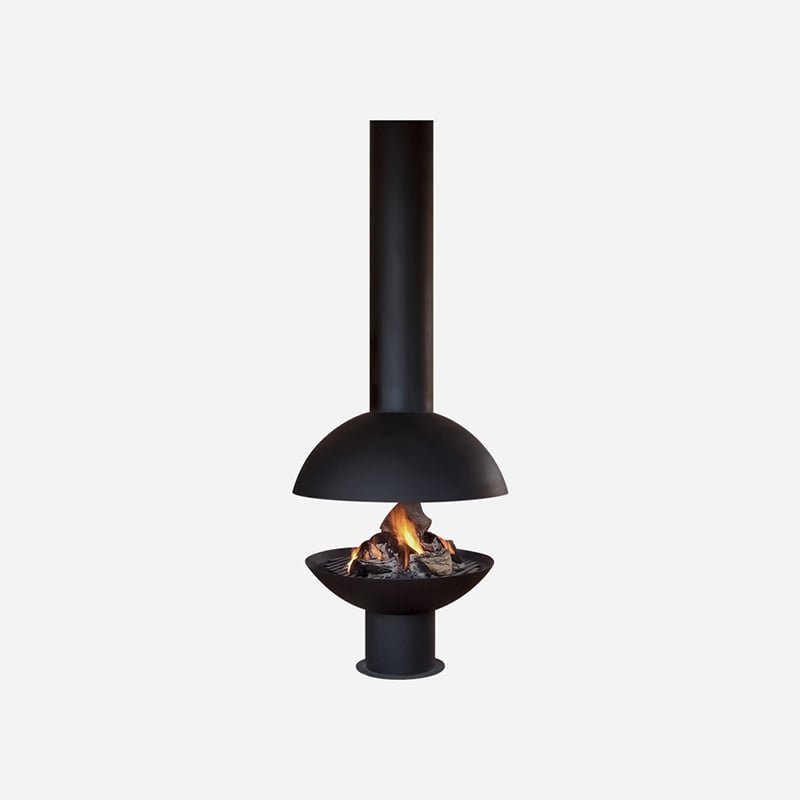
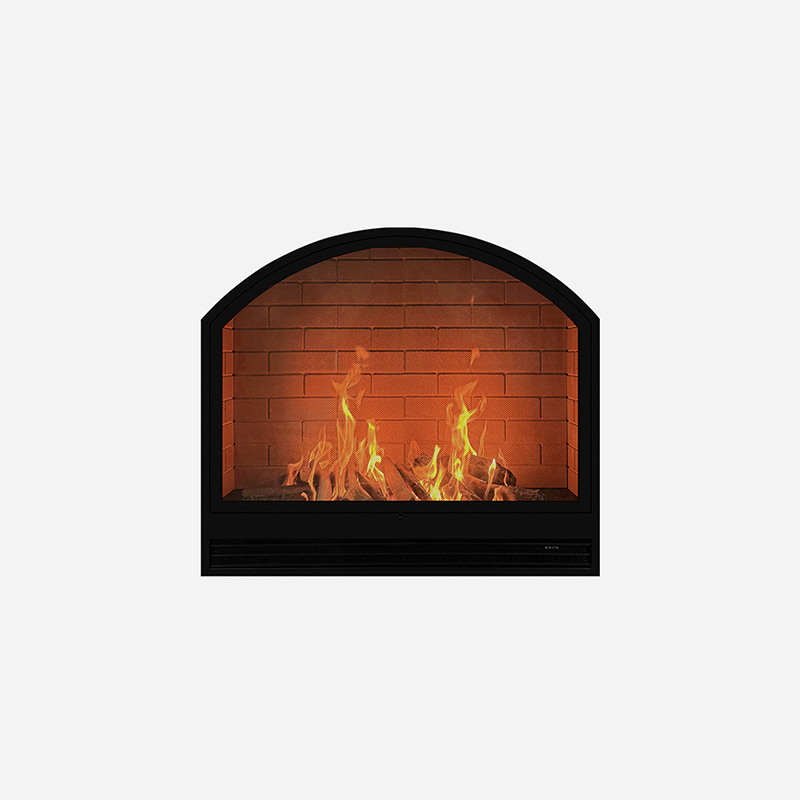
In the world of modern architecture and interior design, fireplaces have transformed from mere heating appliances into stunning design elements. The choice between single-sided, double-sided, and see-through fireplaces can significantly impact aesthetics, functionality, and space utilization. This article will provide a complete comparison of these fireplace options, focusing on their benefits, cost considerations, installation guidance, common issues, and the material advantages of see-through fireplaces. By understanding these factors, B2B buyers like purchasing managers, architects, and contractors can make informed decisions that meet their project requirements.
Single-sided fireplaces offer a classic design that suits a variety of spaces, providing warmth and ambiance without being obtrusive. They are ideal for traditional living rooms, offices, or any area where a direct view of the fire enhances the experience. Double-sided fireplaces, on the other hand, serve as room dividers, allowing for an open-concept design while still providing the warmth and visual appeal of a fire. These are particularly beneficial in large, shared spaces such as lobbies, restaurants, or expansive homes where the fireplace can be appreciated from multiple angles. See-through fireplaces combine the best of both worlds, offering a 360-degree view of the flames. This type is perfect for contemporary designs and can be installed in various settings, including hotels, luxury homes, and commercial spaces. By maximizing fire visibility, see-through fireplaces help create a central focal point in any room. Each fireplace type can be tailored to specific needs, such as heating capacity, size, and design aesthetics, making them versatile options for various applications.
When considering a see-through fireplace, buyers must evaluate several cost factors. Initial purchase prices typically include the fireplace unit, installation expenses, and required materials. Given their complexity, see-through fireplaces often have higher upfront costs compared to single-sided or double-sided options. Installation costs can vary based on the fireplace design and the complexity of the installation site. For example, if a custom chimney or venting system is required, this will increase the overall budget. Additionally, the choice of materials can significantly impact the price; high-quality materials that enhance durability and performance are advisable despite their higher costs. Buyers should also consider long-term operational costs, including fuel expenses and maintenance requirements. A well-designed see-through electric fireplace can be highly efficient, potentially leading to lower heating bills over time. Thus, when preparing a project budget, it is essential to conduct a thorough cost-benefit analysis to understand the total investment involved in see-through fireplaces.
Installation of single-sided and double-sided fireplaces requires careful planning and consideration of the building’s structure. For single-sided fireplaces, the installation is typically straightforward, as they need only a direct vent to the exterior. Buyers must ensure that the chosen location allows for adequate clearance from combustible materials and meets local building codes. Double-sided fireplaces, however, present unique challenges. They require more intricate framing and often a specially designed chimney system to accommodate the dual aspect. Proper alignment and structural support are critical, as the fireplace serves as a partition between two spaces. Buyers should also consider hiring professionals experienced in fireplace installation, as incorrect installation can lead to safety hazards or inefficient operation. A manufacturer like MEISU. CH, with extensive experience in fireplace production, can provide additional guidance on installation best practices and assist in selecting the right model for specific applications.
Fireplaces, regardless of type, can encounter several common issues that buyers should be aware of to ensure long-term satisfaction. One frequent problem is inefficient burning, which can result from improper venting, incorrect fuel type, or maintenance neglect. Regular inspections and cleaning can mitigate these issues, ensuring optimal performance. Another concern is heat distribution. If a fireplace is not properly designed for the space, it may not effectively heat the intended area. Buyers should assess their heating needs and consider the fireplace’s BTU output to ensure it meets their requirements. Lastly, aesthetic concerns such as soot buildup or glass discoloration can detract from the modern fireplace visual appeal. Regular maintenance, including cleaning of the glass and surrounding surfaces, can help maintain the fireplace’s beauty. Before installation, buyers should consult with the manufacturer or an experienced installer to understand specific maintenance requirements and how to address potential issues.
The materials used in constructing see-through fireplaces significantly affect their performance and durability. High-quality glass, for instance, is essential for maintaining clarity and structural integrity. Tempered or ceramic glass is often preferred, as it can withstand high temperatures and resist cracking. Steel or cast iron frames are commonly used for their durability and heat retention properties. Buyers should also consider insulation materials that can enhance energy efficiency, reducing heat loss and improving overall performance. Additionally, the choice of fuel be it gas, wood, will influence material selection. Gas fireplaces typically require different venting and sealing materials compared to wood-burning units, which need robust fire-resistant materials. Understanding these material advantages can help buyers choose the most suitable see-through fireplace design for their specific applications, ensuring both performance and longevity. the choice between single-sided, double-sided, and see-through fireplaces involves careful consideration of several factors. By understanding the benefits, costs, installation requirements, common issues, and material advantages, buyers can make informed decisions that align with their project goals and client expectations.
 Hot News
2026-08-17
 EN