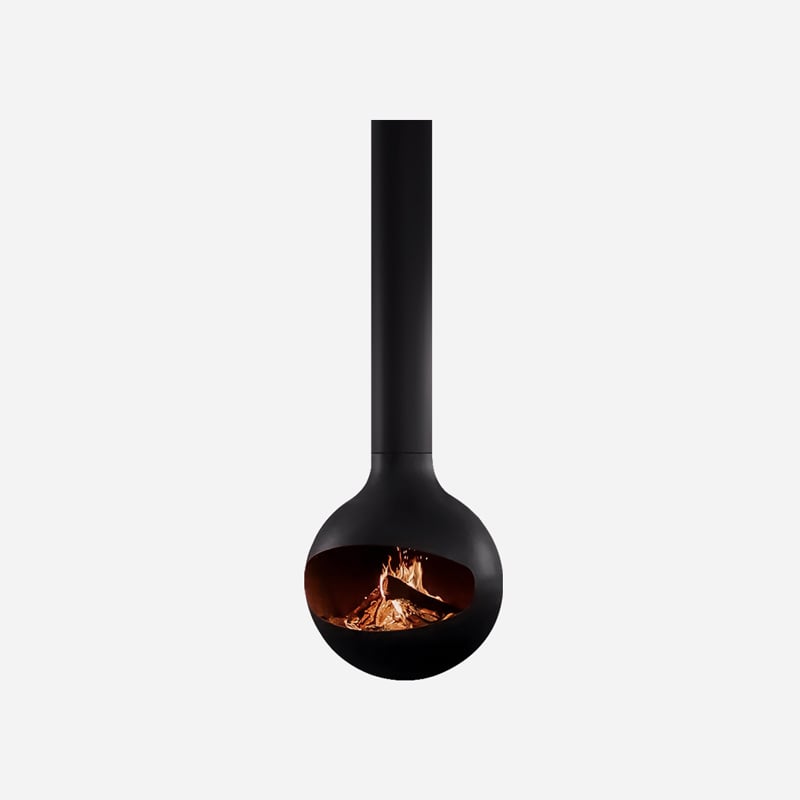
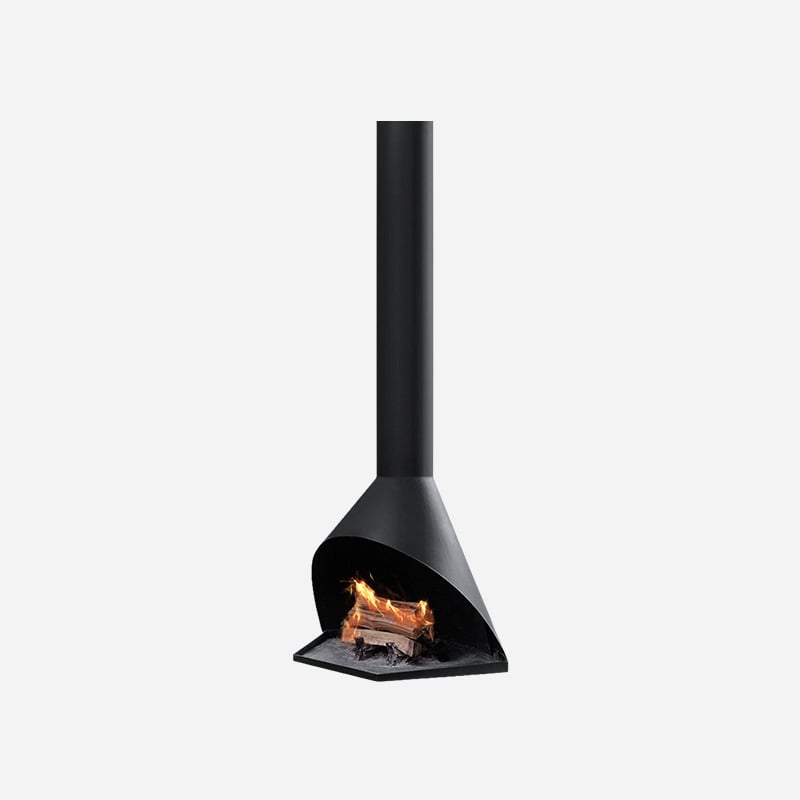
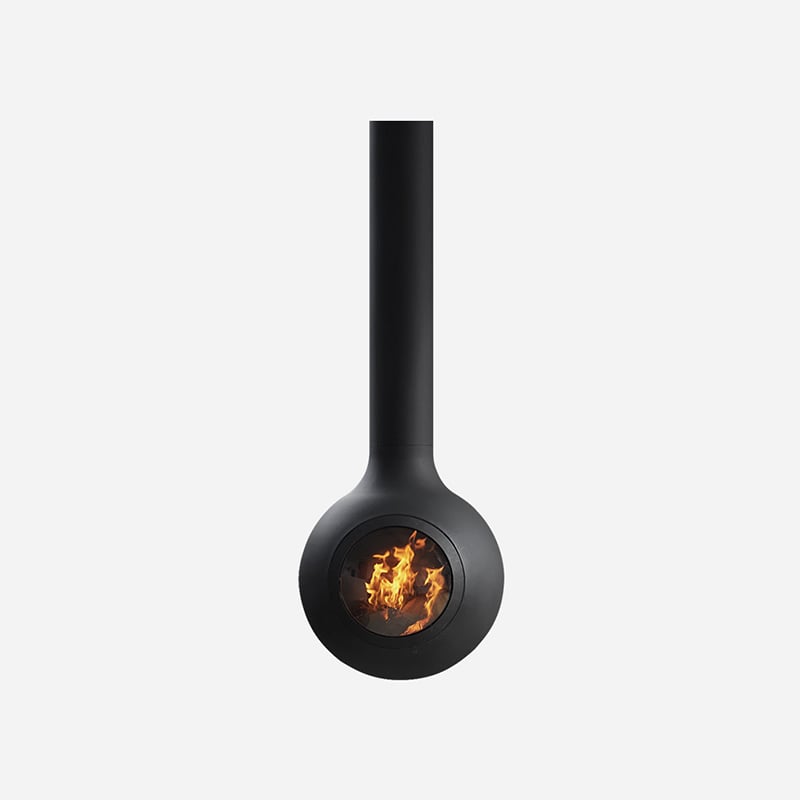
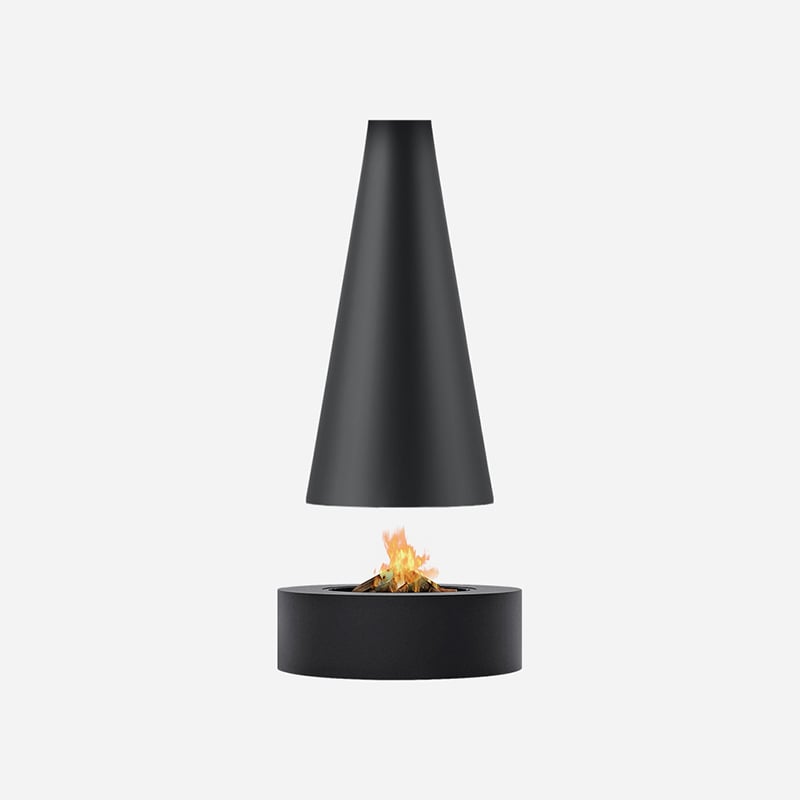
Fireplace installation in commercial projects requires careful consideration of numerous factors, including the type of fireplace, installation environment, and compliance with safety regulations. Understanding the Fireplace Installation Best Practices for Commercial Projects is essential for purchasing managers, engineers, and project managers tasked with selecting and installing these systems. This article will guide you through selecting the right fireplace, evaluating installation quality, understanding technical specifications, considering costs, and troubleshooting common installation issues.
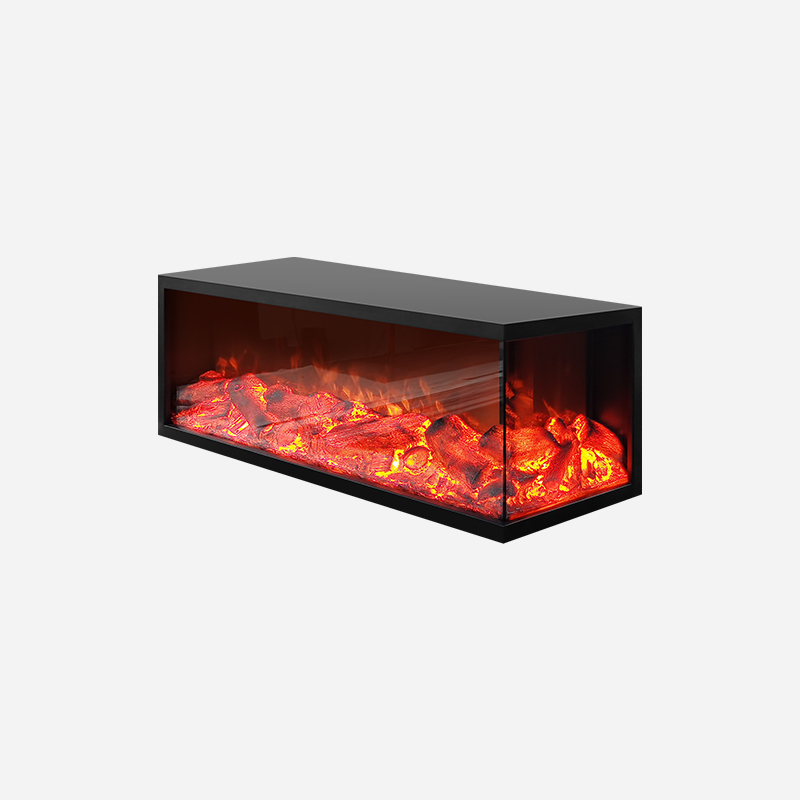
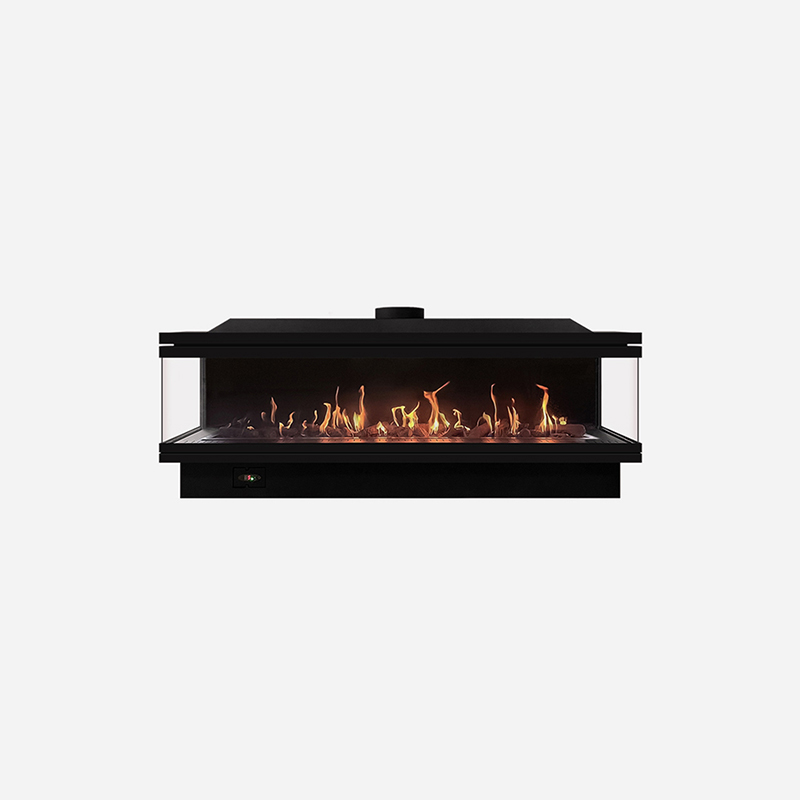
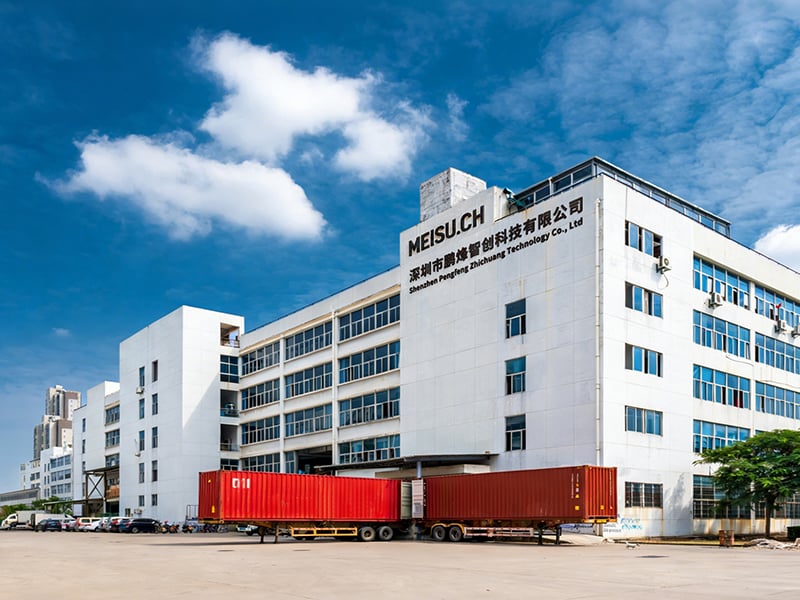
When selecting a fireplace for a commercial space, consider the intended use, aesthetics, and heating requirements. Begin by assessing the space's heating needs this includes understanding the square footage, ceiling height, and insulation quality. Different fireplace types, such as gas, wood-burning, electric, have distinct heating capabilities and visual impacts. Next, consider the design and style of the fireplace. For commercial spaces, the fireplace should align with the overall architectural theme and branding. High-end designs may require custom features that reflect the company's image. Additionally, check local building codes and regulations, as these can impact which types of installing a gas fireplace are permissible in specific settings. Finally, evaluate the manufacturer's capabilities to provide the required customization. MEISU. CH, for instance, is equipped to handle various design requests, ensuring that your fireplace not only meets functional requirements but also complements the commercial environment.
Quality evaluation in fireplace installations is crucial for ensuring safety and performance. Begin by verifying that the installation complies with local codes and safety standards. Look for certifications from recognized authorities, as these can indicate adherence to industry best practices. Inspect the materials used in the installation. High-quality fireplaces should be constructed from durable materials that can withstand high temperatures and prolonged use. Steel, cast iron, and high-grade glass are commonly used in commercial applications for their durability and aesthetic appeal. Next, assess the installation process itself. Proper venting is essential for gas and wood-burning fireplaces to ensure safe operation and efficiency. Check that the installation includes appropriate flue systems and that all connections are secure and properly sealed. Conducting a post-installation inspection can help identify potential issues before they lead to costly repairs.
Technical specifications play a significant role in the performance and safety of commercial fireplaces. Key specifications to consider include BTU output, efficiency ratings, and fuel type compatibility.
BTU Output: This measurement indicates the heat output of the fireplace. It’s essential to select a fireplace with a BTU rating that aligns with the heating requirements of the space. An undersized unit may struggle to maintain a comfortable temperature, while an oversized unit can lead to excessive energy costs and discomfort.
Efficiency Ratings: Look for fireplaces with high efficiency ratings (typically above 75%). This ensures that a significant portion of the fuel consumed is converted into usable heat, minimizing waste and reducing operational costs.
Fuel Type Compatibility: Ensure that the fireplace is compatible with the available fuel sources in your area. Gas fireplaces may require natural gas or propane lines, while wood-burning options necessitate a suitable supply of seasoned wood.
Buyers should verify these specifications with the manufacturer to ensure they meet both operational and regulatory requirements.
When budgeting for wholesale fireplace purchases, several factors must be considered. The initial cost of the fireplace itself is just one component; installation costs, maintenance, and operational expenses should also be factored in.
Initial Costs: This includes the price of the fireplace and any additional components required for installation, such as venting systems and decorative elements. Obtain quotes from multiple suppliers to compare prices and ensure you are getting the best value.
Installation Costs: Professional installation is often necessary to comply with safety regulations. Ensure that installation costs are included in your budget, and consider the complexity of the installation, which could affect labor costs.
Operational Costs: Evaluate the expected operational costs based on the modern fire place fuel type and efficiency ratings. Gas fireplaces may have different ongoing costs compared to wood-burning options, and this should influence your purchasing decision.
Consider discussing bulk purchasing options with suppliers as this can lead to significant cost savings.
Even with careful planning, common installation problems can arise. Awareness of these issues can help buyers prepare for effective troubleshooting. One frequent issue is improper venting, which can lead to smoke back draft or insufficient airflow. To mitigate this, ensure that the installation team is experienced and follows manufacturer guidelines for vent placement and sizing. Another potential problem is inadequate clearance from combustible materials.
Fireplaces require specific clearances to operate safely, and failure to adhere to these can result in fire hazards. Before installation, review the specifications and site conditions to confirm that all safety requirements are met. Lastly, monitor the performance of the gas fire place post-installation. If you notice irregularities in heating or unusual odors, address these concerns immediately by consulting the installation team or manufacturer. Regular maintenance checks can also help identify and rectify issues before they escalate. By following these best practices and considerations, purchasing managers and project leaders can ensure that their commercial fireplace installations are both effective and safe, ultimately enhancing the environment of their commercial spaces.
 Hot News
2026-08-17
 EN