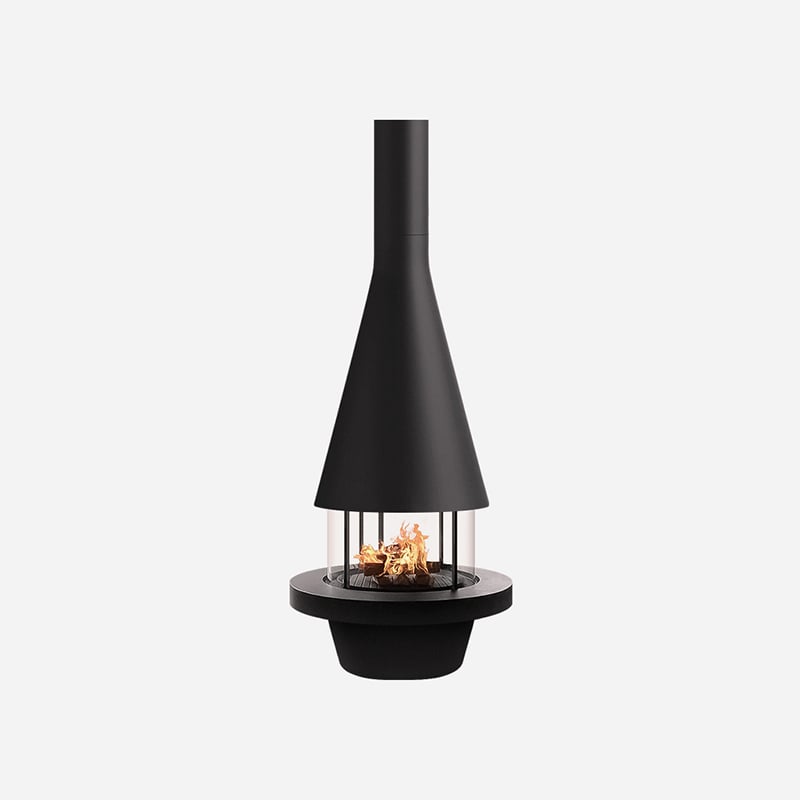
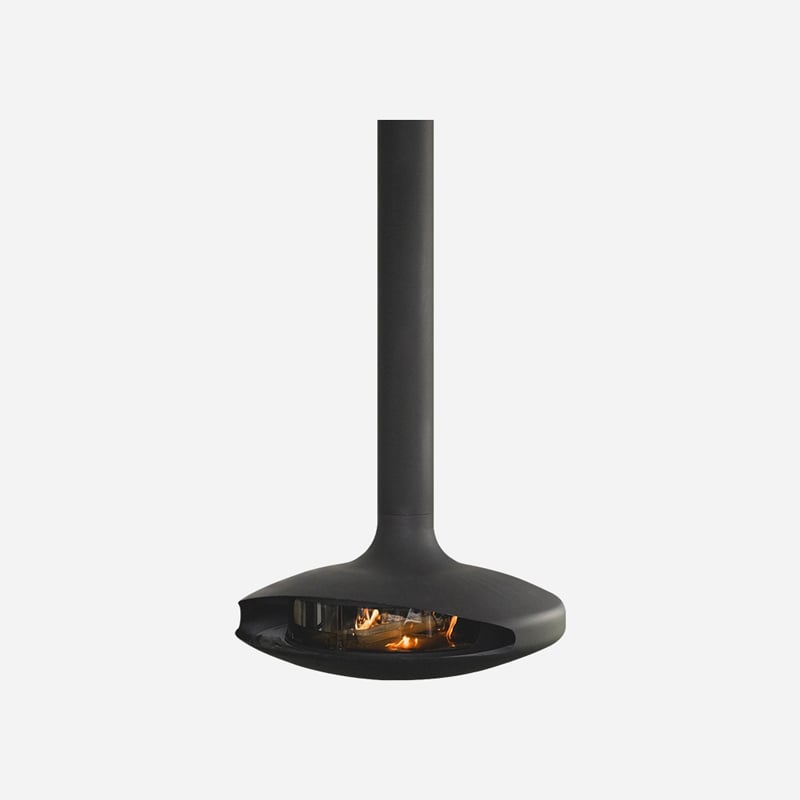
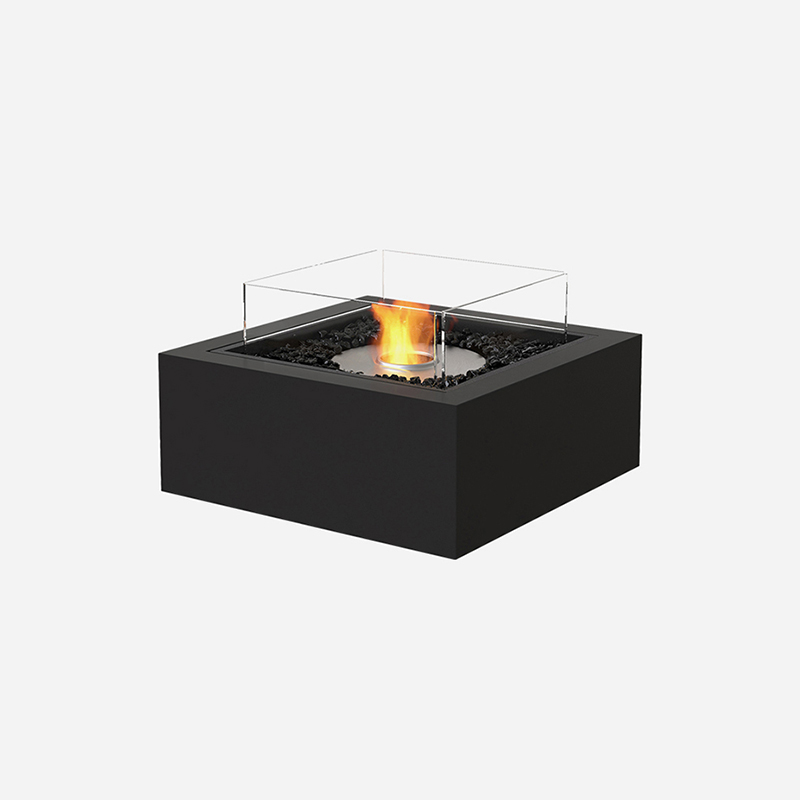
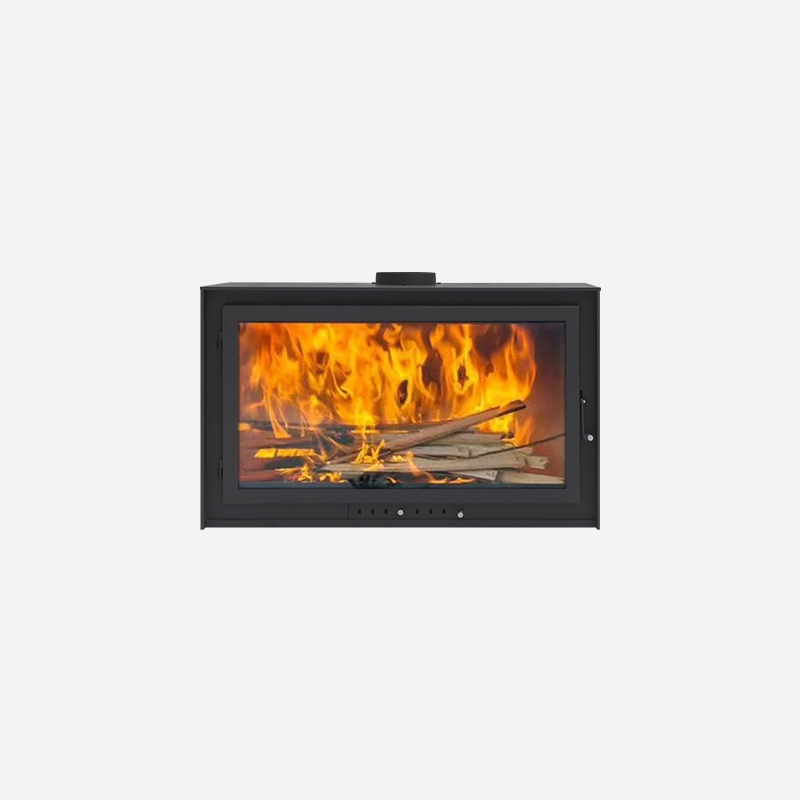
As modern architecture continues to evolve, hanging fireplaces are becoming a must-have feature, providing both aesthetic appeal and functional warmth. These suspended designs not only save space but also serve as striking focal points in residential and commercial settings. For B2B buyers such as architects, purchasing managers, and interior designers the decision to incorporate a hanging fireplace entails understanding the specific needs and challenges associated with these products. This article will explore key considerations when selecting hanging fireplaces, including how to choose the right model, cost factors for bulk orders, solutions available, material advantages, and common issues with these installations and their resolutions.
Selecting the right hanging fireplace involves several critical factors that align with your project requirements. First, consider the design and style. Hanging fireplaces come in various shapes, sizes, and materials, so it is essential to align the aesthetic with the overall vision of the space. Next, evaluate the heating capacity. The fireplace’s output should match the heating requirements of the room it will be installed in. Factors such as room size, insulation, and ceiling height will influence the necessary BTU (British Thermal Units) output. Additionally, consider the fuel type: gas, electric, or wood. Each fuel type has its own installation requirements and operational costs, affecting the overall project budget. Finally, assess installation considerations. Hanging fireplaces for sale typically require secure mounting and may need structural support depending on the weight and design. Working with a manufacturer experienced in custom installations, like MEISU. CH, can facilitate proper planning and execution.
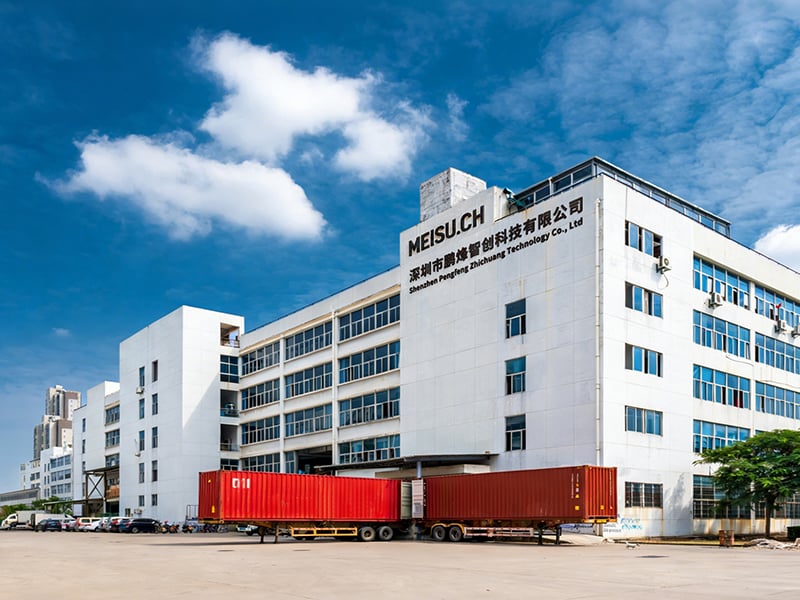
When purchasing hanging fireplaces in bulk, understanding the cost factors is paramount. Price variations can arise from the materials used, the complexity of the design, and the manufacturing processes involved. For instance, more intricate designs or higher-quality materials, such as stainless steel or tempered glass, will typically result in higher costs. Buyers should also consider economies of scale. Ordering larger quantities often leads to reduced unit prices, but it’s essential to confirm the minimum order quantity (MOQ) with the supplier. MEISU. CH, as a large-scale manufacturer, can provide competitive pricing for bulk orders due to its advanced production capabilities and efficient supply chain management. Additionally, keep in mind potential shipping costs and tariffs, especially if importing from overseas. Clear communication with the supplier about delivery timelines and packaging methods can help mitigate unexpected expenses.
Hanging fireplaces offer various solutions to meet unique architectural and spatial needs. For example, some models are designed for corner installations, maximizing floor space while providing warmth and ambiance. Others feature adjustable heights, allowing for customization based on ceiling height and user preference.
For commercial applications, such as restaurants or hotels, decorative options may include custom finishes or branded designs that enhance the guest experience. The versatility of hanging gas fireplaces for sale also enables integration into both indoor and outdoor spaces, providing flexibility in design. Working with a manufacturer that understands the nuances of these solutions, like MEISU. CH, ensures that the chosen fireplace meets both aesthetic and functional requirements, ultimately elevating the overall design of the space.
The materials used in hanging fireplaces significantly influence their performance, durability, and maintenance. Common materials include stainless steel, cast iron, and glass, each offering distinct advantages. Stainless steel is popular for its resistance to corrosion and ease of cleaning, making it ideal for both indoor and outdoor applications. Cast iron, while heavier, provides superior heat retention and distribution, making it effective for larger spaces. Glass elements, often used in contemporary designs, enhance visual appeal and allow for a clear view of the flames. When selecting materials, consider the intended use and environment. For instance, outdoor fireplace exposed to the elements should utilize weather-resistant materials. Engaging with a knowledgeable supplier can help ensure that the chosen materials align with the specific demands of the project.
While hanging fireplaces offer many benefits, they can also present specific challenges. One common issue is inadequate support during installation, which can lead to safety hazards. To avoid this, it is crucial to ensure the mounting hardware is appropriate for the weight of the fireplace and that it is installed by a qualified professional. Another potential problem is the clearance requirements for safe operation. Buyers must verify that the design complies with local building codes regarding clearance from combustible materials, as insufficient space can lead to fire hazards. Ventilation is also a critical concern, especially for gas or wood-burning models. Proper ventilation ensures efficient operation and minimizes harmful emissions. Buyers should consult with the manufacturer or a qualified installer to confirm that the fireplace meets ventilation requirements for the specific installation site. By addressing these common challenges proactively, buyers can enjoy the full benefits of their hanging fireplaces while ensuring safety and compliance with regulations.
 Hot News
2026-08-17
 EN