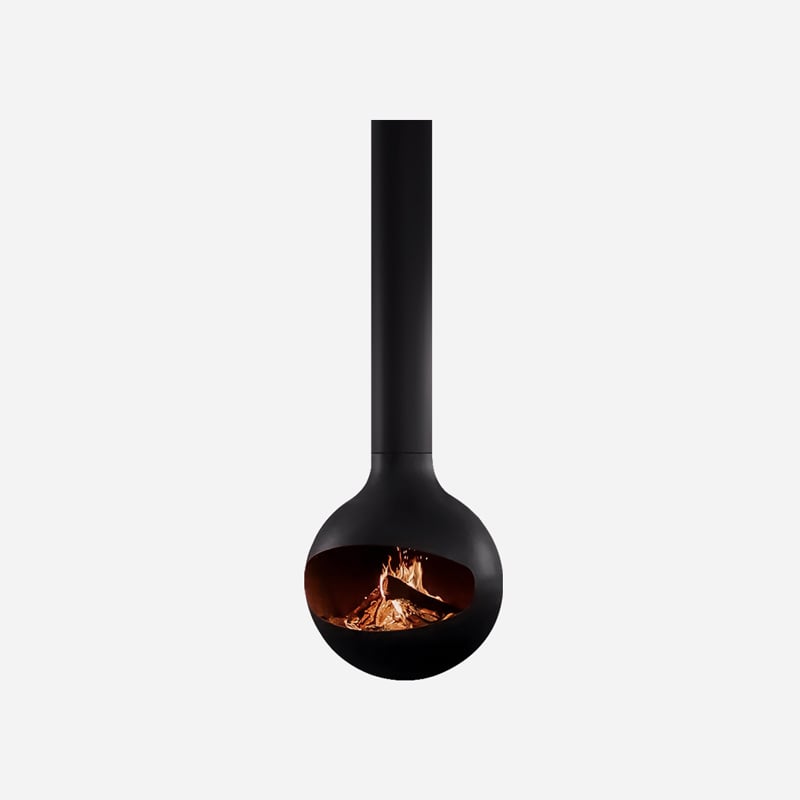
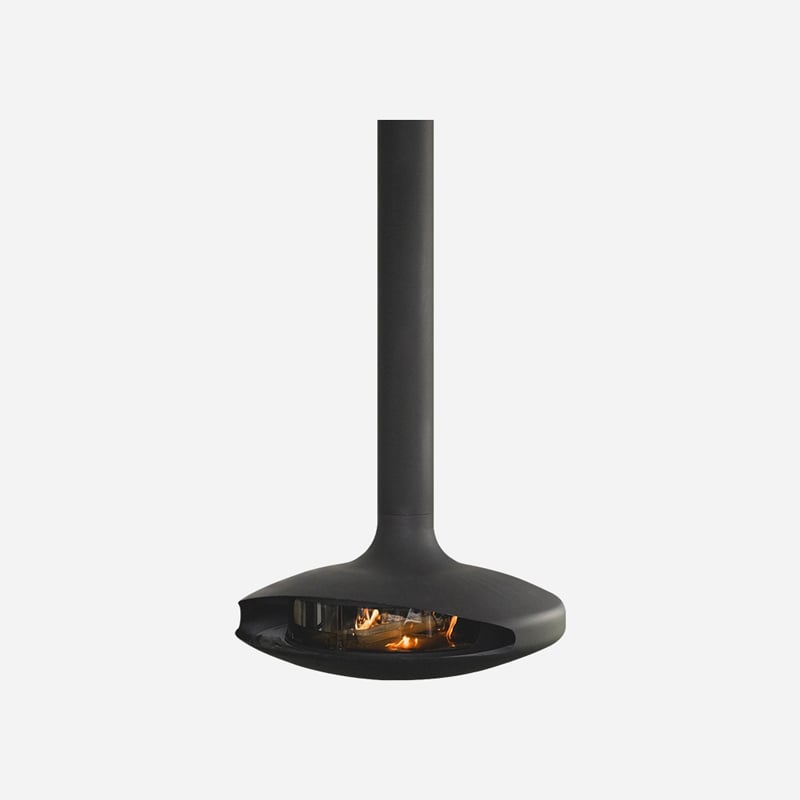
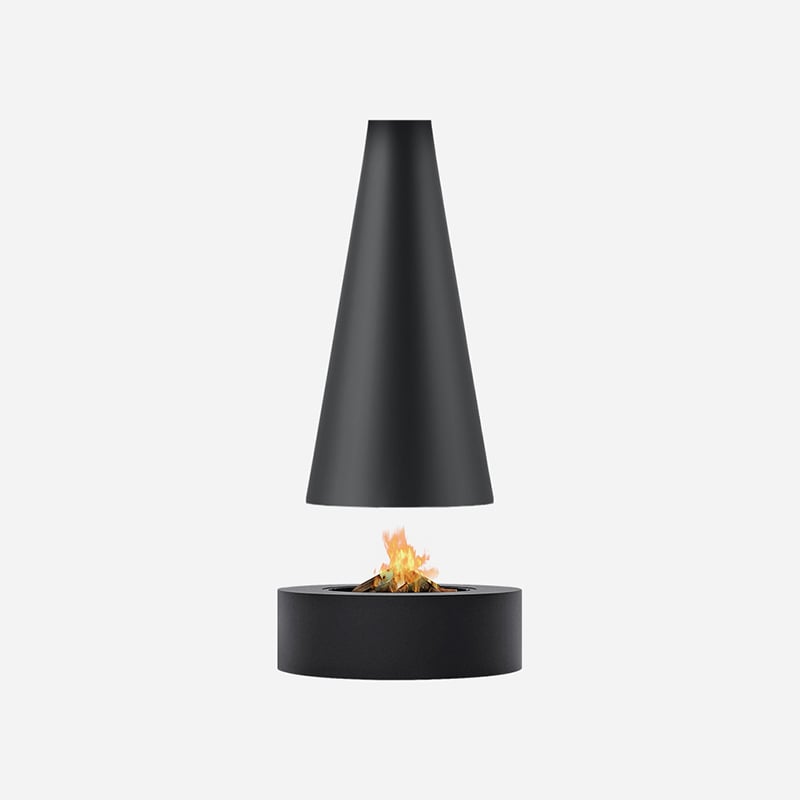
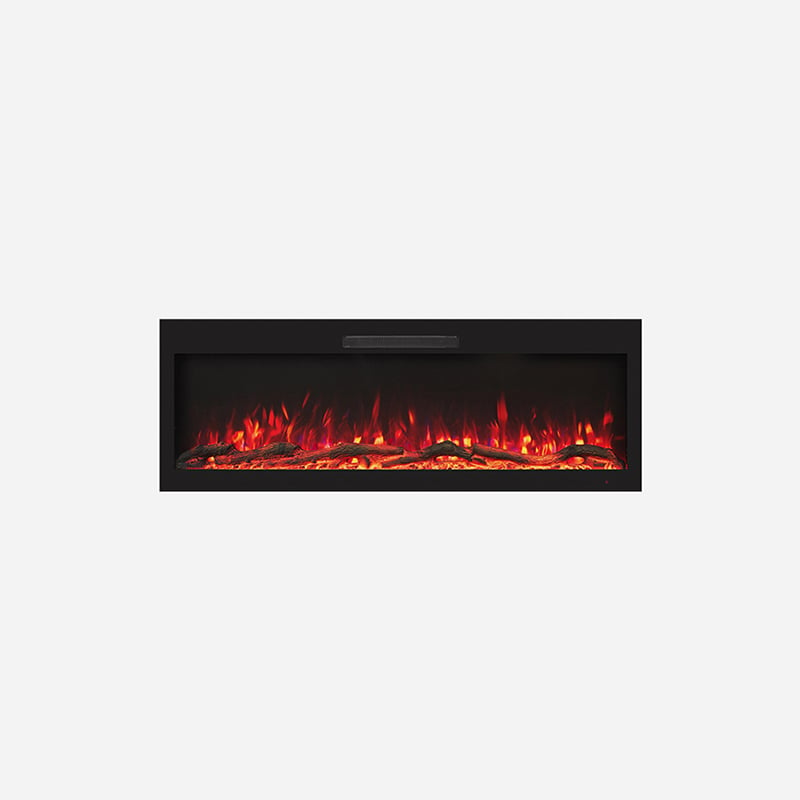
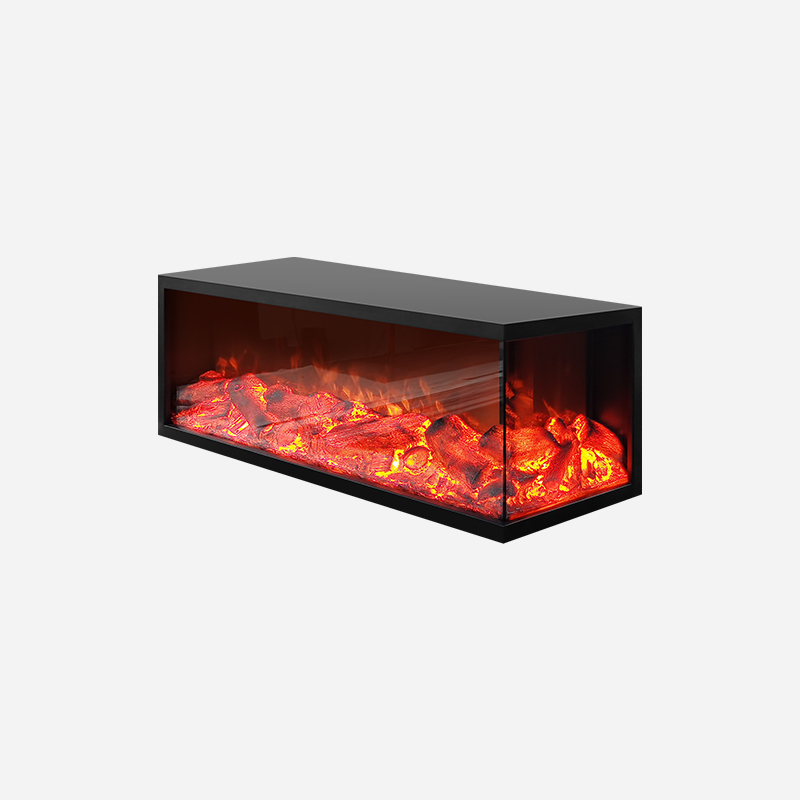
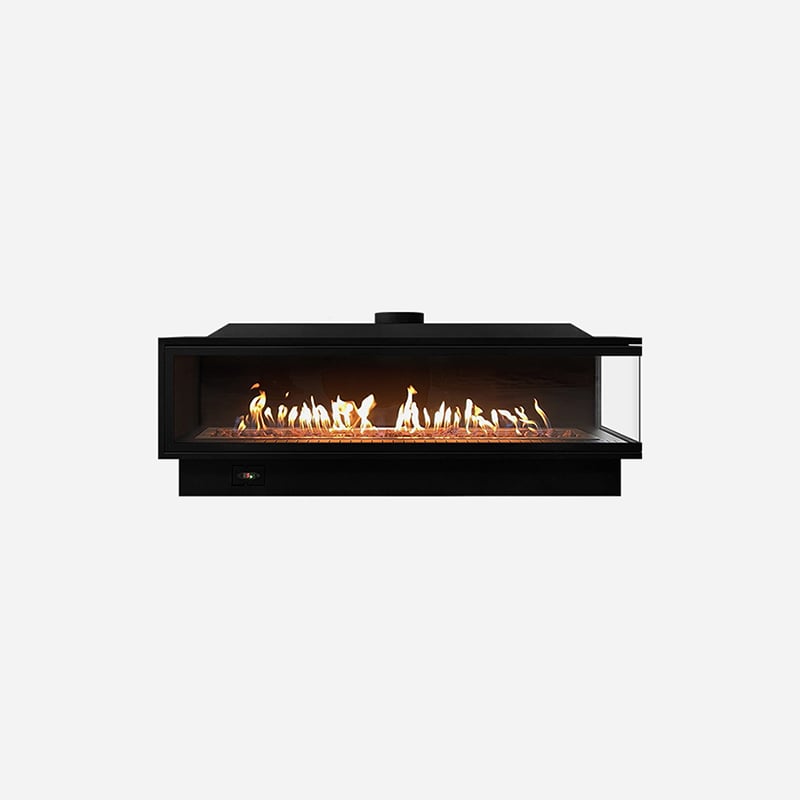
Creating a focal point with a modern hanging fireplace can significantly enhance the aesthetic appeal and functionality of any commercial space. As a B2B buyer, you may have concerns regarding specifications, installation processes, and potential challenges associated with these unique heating solutions. This article aims to address your key considerations, providing insights into the specifications, installation guidance, common problems, style comparisons, and quality assurance practices relevant to modern hanging fireplace.
When evaluating modern hanging fireplaces, buyers should consider several key specifications that directly impact performance and suitability for their intended application.
Material Selection: The materials used in the construction of a hanging fireplace dictate not only its durability but also its aesthetic. Common materials include stainless steel, glass, and high-quality ceramics. Each material has distinct thermal properties and finishes, influencing both appearance and functionality. For instance, stainless steel is known for its resistance to rust and corrosion, making it ideal for long-term use in varying climates.
Heating Capacity: This is typically measured in BTUs (British Thermal Units). Buyers should assess the space's size to determine the appropriate heating capacity. A fireplace with insufficient BTU output may not effectively heat the intended area, resulting in discomfort.
Dimensions: The size of the fireplace should align with the spatial constraints of the installation area. Consideration of height, width, and depth is essential to ensure that the fireplace complements the room's design without overwhelming the space.
Fuel Type: Modern hanging fireplaces may operate on various fuel types, including gas, wood, or electricity. Each fuel type has its advantages and disadvantages concerning installation, maintenance, and cost. For example, gas fireplace offer convenience and cleaner combustion, while electric models provide flexibility in installation and lower operational costs.
Safety Features: Look for features such as automatic shut-off mechanisms, heat-resistant glass, and proper ventilation systems. These safety measures not only protect users but also comply with local regulations, which can vary significantly depending on the installation location.
By understanding and evaluating these specifications, buyers can make informed decisions that align with their specific needs and preferences.
Installing a modern hanging fireplace in a commercial setting involves careful planning and execution to ensure both functionality and safety. Here are some essential guidelines:
Site Preparation: Prior to installation, assess the structural integrity of the wall or ceiling where the fireplace will be mounted. It is crucial to ensure that the supporting structure can handle the weight of the fireplace and any additional materials required for installation.
Professional Installation: Due to the complexities involved, it is advisable to engage professionals for installation. They will ensure compliance with local building codes and safety regulations, which can vary widely. A licensed installer will also manage aspects such as gas line connections or electrical wiring necessary for certain models.
Ventilation Considerations: Adequate ventilation is critical, especially for gas-operated units. Ensuring proper airflow prevents the buildup of harmful gases and maintains optimal performance. Depending on the fireplace type, this may require ductwork or specific venting systems that should be designed by experienced professionals.
Accessibility for Maintenance: Consider the location of the fireplace carefully. It should be accessible for routine maintenance and inspections, which are essential for ensuring longevity and safe operation. A poorly positioned unit can complicate maintenance tasks, leading to potential safety hazards.
By following these guidelines, buyers can facilitate a smooth installation process that maximizes the use and safety of their modern hanging fireplace.
While modern hanging fireplaces are elegant and functional, certain common issues may arise. Understanding these can help buyers prepare and mitigate potential challenges:
Insufficient Heat Output: If a fireplace does not produce adequate heat, it may be due to improper sizing or installation. Buyers should verify that the unit selected matches the heating requirements of the space. If issues persist, consulting with a professional can help identify potential installation flaws or recommend adjustments.
Smoke or Fume Accumulation: This issue often relates to poor ventilation. If the airflow is inadequate, harmful gases can accumulate, posing safety risks. Ensuring that the fireplace is vented correctly and that ventilation systems are operational can help resolve this concern.
Material Degradation: Over time, exposure to high heat can lead to wear and tear on materials. Regular maintenance checks are essential to inspect for signs of damage, especially on heat-resistant glass and metal components. If degradation is noted, replacing these parts promptly can prevent safety hazards.
Operational Failures: Electric and gas fireplaces may occasionally experience operational issues, such as ignition failures or power shortages. Establishing a relationship with a reliable service provider can ensure that any technical problems are addressed swiftly.
By recognizing these common issues and their solutions, buyers can proactively manage their modern hanging fireplaces, ensuring they remain safe and functional.
When selecting a modern hanging fireplace, buyers will encounter various styles, each with unique characteristics. Understanding these options can help you choose the right fit for your commercial environment:
Contemporary Designs: These fireplaces often feature sleek lines, minimalist aesthetics, and innovative materials. They complement modern architectural styles and are often available in various colors and finishes, making them adaptable to different interior designs.
Rustic Styles: For buyers seeking a warmer, more traditional feel, rustic designs may incorporate natural materials and a more textured appearance. These fireplaces often blend wood and stone elements, creating a cozy atmosphere in commercial spaces such as restaurants or lodges.
Industrial Models: Featuring raw materials like metal and concrete, industrial-style fireplaces evoke a rugged, urban vibe. They are ideal for modern lofts or commercial spaces that embrace an edgy aesthetic.
Customizable Options: Many manufacturers, including those like MEISU. CH, offer customization options that allow buyers to tailor the fireplace to their specific design preferences and functional needs. Customization may include modifications in size, material, or even integrated technology.
By carefully comparing these styles, buyers can select a modern hanging fireplace that not only serves as a heating source but also enhances the overall design of their commercial space.
Quality assurance is vital when investing in a modern hanging fireplace. Buyers should consider the following key aspects to ensure they are making a sound investment:
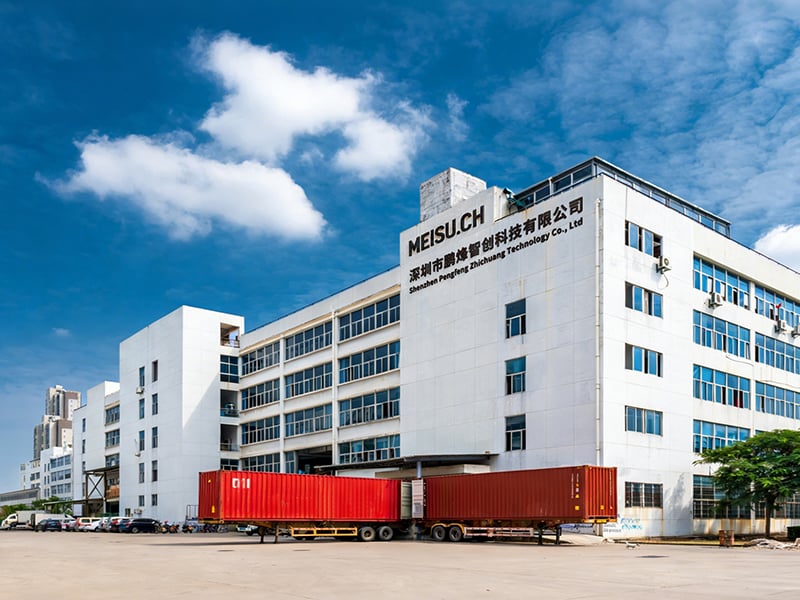
Manufacturer Reputation: Partnering with a reputable manufacturer, such as MEISU. CH, known for its high-end manufacturing capabilities and advanced production processes, can significantly influence product quality. Researching customer reviews and industry reputation can provide valuable insights.
Certifications and Standards: Verify that the product adheres to relevant safety and quality standards. Certifications can indicate compliance with industry regulations, ensuring that the product is safe for use in commercial environments.
Quality Control Processes: Understanding the manufacturer's quality control measures is essential. A robust quality assurance process during production can help prevent defects and ensure that the final product meets buyer specifications.
Sample Approval: Before committing to a bulk order, buyers should request samples to evaluate the material quality and craftsmanship. This step can help identify potential issues early, ensuring that the final product aligns with expectations.
By prioritizing these quality considerations, buyers can confidently invest in modern hanging fireplaces that meet their functional and aesthetic requirements.
 Hot News
2026-08-17
 EN