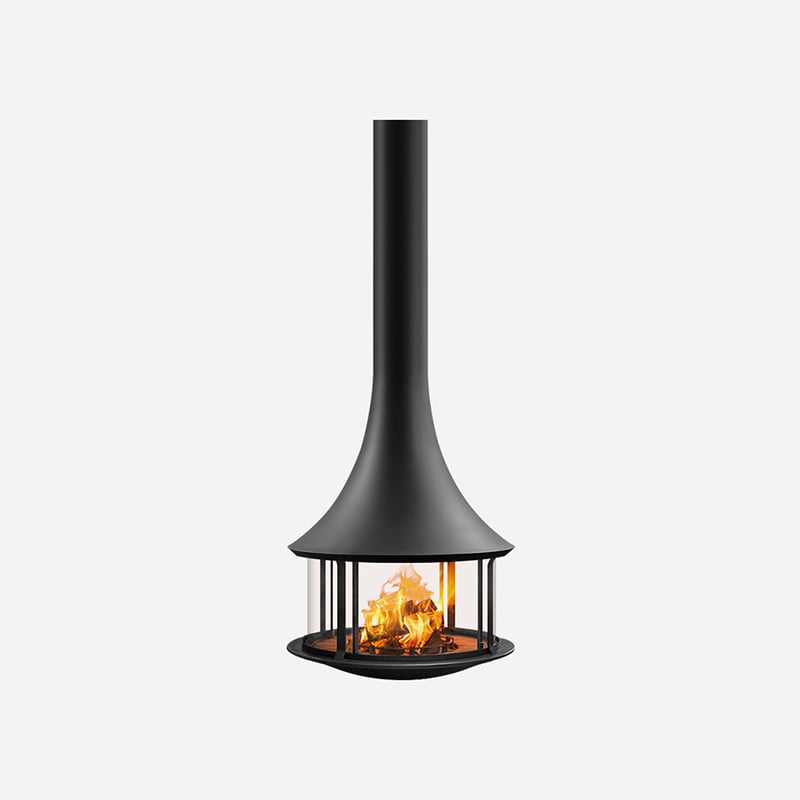
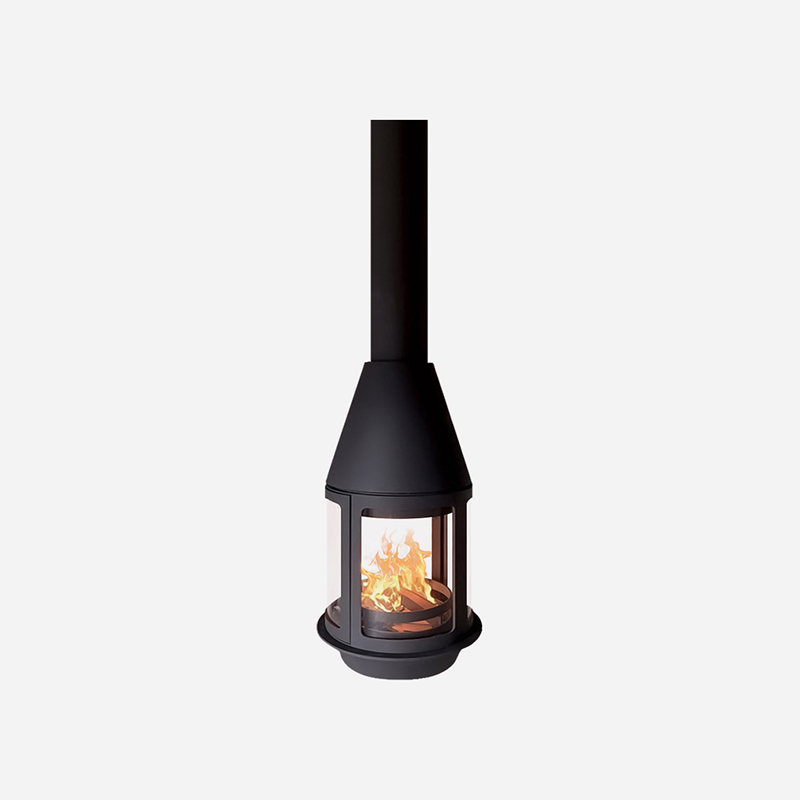
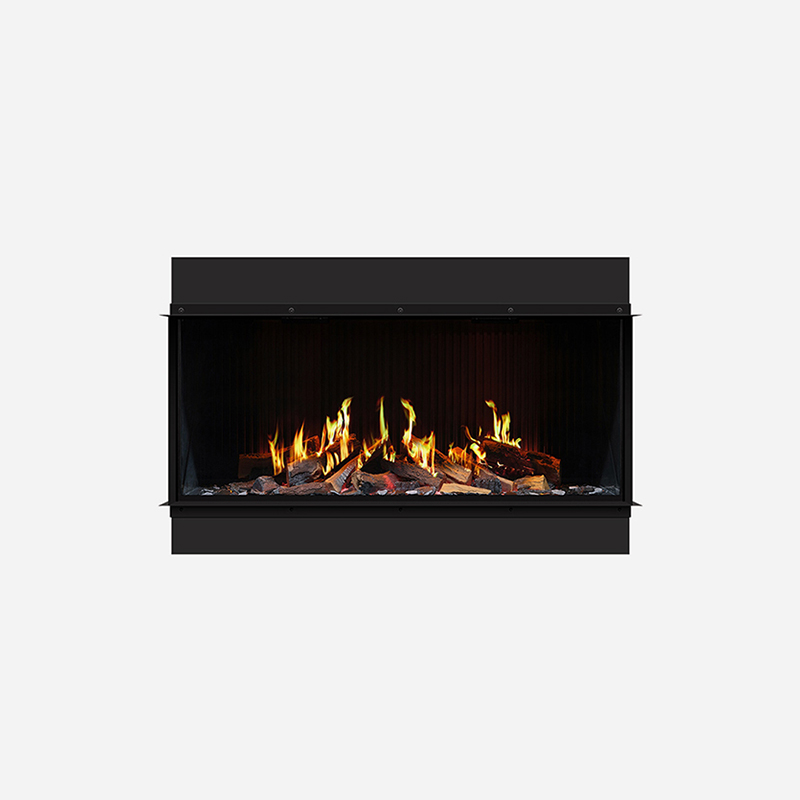
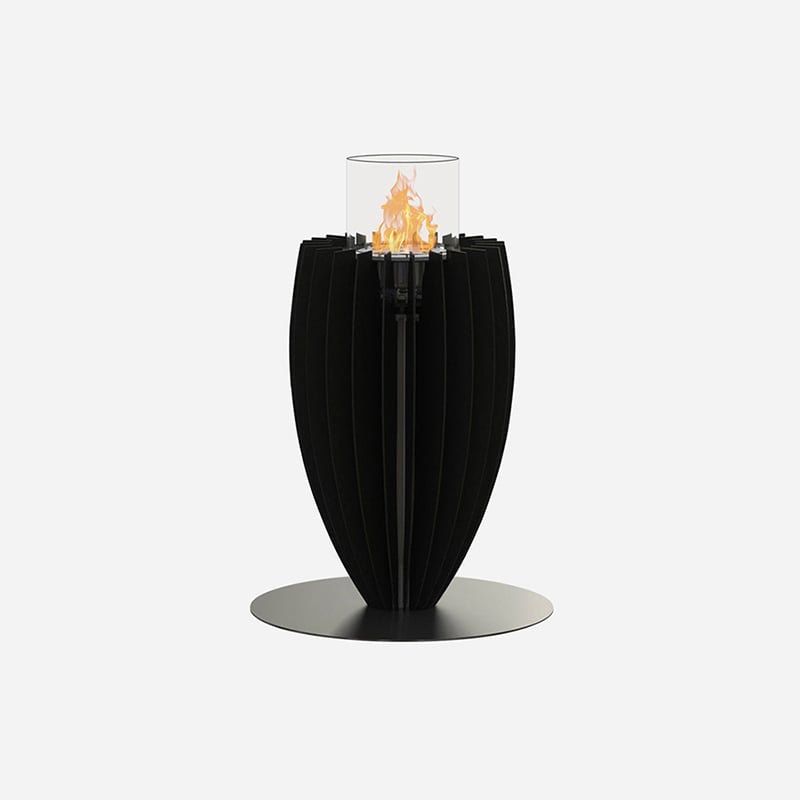
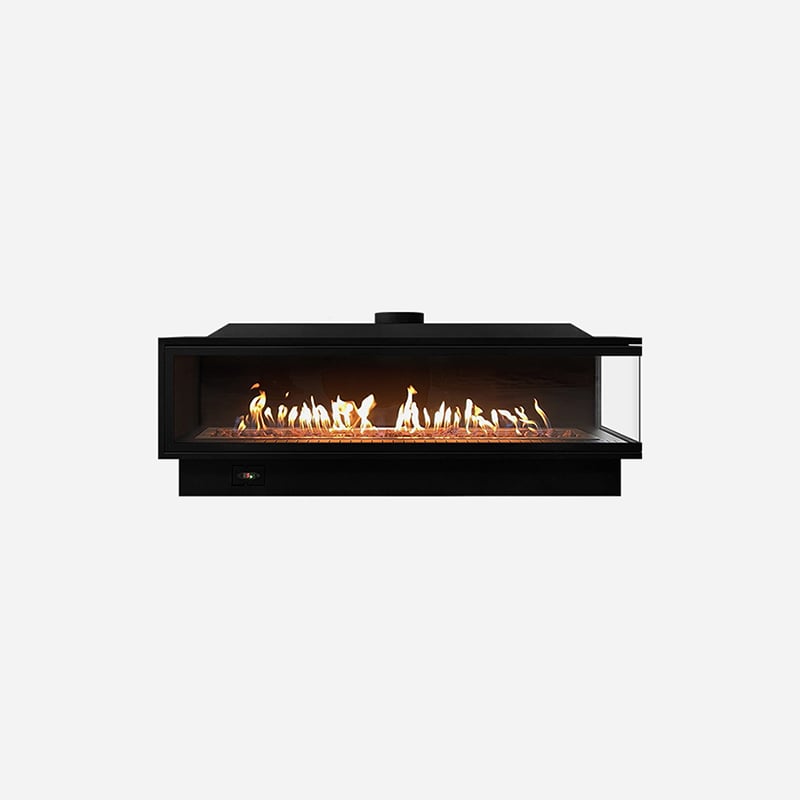
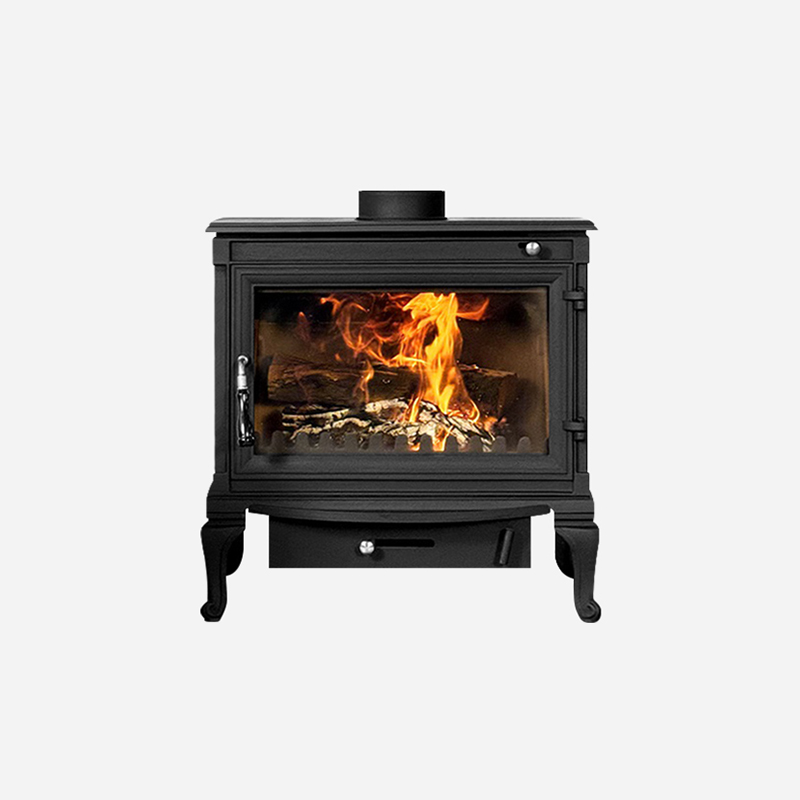
As modern design continues to evolve, hanging fireplaces have become a popular choice for both residential and commercial spaces. However, a key question arises: does a hanging fireplace need a chimney? This article delves into the necessity of a chimney for hanging fireplaces, addressing common concerns such as installation requirements, performance specifications, and potential challenges. By understanding these factors, purchasing managers and distributors can make informed decisions when considering hanging fireplaces for their projects.
The necessity of a chimney for a hanging fireplace largely depends on the type of fireplace and its intended use. Traditional wood-burning fireplaces typically require a chimney to vent smoke and gases safely outside. However, many modern hanging fireplace are designed as ventless or direct-vent systems, which may not require a chimney.
Ventless fireplaces utilize advanced technology to burn fuel more efficiently, producing minimal emissions. They can be installed in various locations without the need for extensive chimney construction, making them ideal for urban settings or spaces where traditional venting is impractical. It's crucial for buyers to assess local building codes and regulations, as these can dictate whether a chimney is necessary based on the fireplace type and installation location.
When considering a chimney-less hanging fireplace, understanding the key specifications is essential. Buyers should focus on the following:
Fuel Type: Most ventless hanging fireplaces operate on propane or natural gas. Understanding the fuel type will influence installation requirements and operational costs.
BTU Rating: The British Thermal Unit (BTU) rating indicates the fireplace’s heating capacity. Higher BTU ratings translate to more heat output, making it important for buyers to match the fireplace’s output to the space being heated.
Efficiency Rating: The efficiency of a fireplace indicates how effectively it converts fuel into heat. Ventless models often provide high efficiency, ensuring that most of the energy used contributes to heating the space rather than being lost through a chimney.
Safety Features: Modern hanging fireplaces come equipped with safety features such as oxygen depletion sensors and automatic shut-off systems. These features are vital for ensuring safe operation, especially in enclosed spaces.
Understanding these specifications helps buyers select a modern fireplace that meets their heating needs while complying with safety standards.
Selecting the right hanging fireplace involves considering several key factors:
Space and Aesthetic Requirements: Assess the intended space for installation. The fireplace should complement the overall design while providing sufficient heating.
Installation Location: Determine whether the fireplace will be installed indoors or outdoors, as this will influence the type of unit and its specifications.
Maintenance Considerations: Some hanging fireplaces require more maintenance than others. Buyers should inquire about cleaning requirements and the longevity of components, such as burners and ignition systems.
Customization Options: Many manufacturers, including MEISU. CH, offer customization options for design and features. Buyers should consider their specific needs, such as color, finish, or additional functionalities, when selecting a fireplace.
Budget: Finally, establish a clear budget that includes not just the cost of the fireplace but also potential installation and maintenance expenses.
By carefully evaluating these factors, buyers can choose a hanging fireplace that aligns with both their functional and aesthetic requirements.
When evaluating hanging fireplaces, buyers should look for the following critical elements:
Quality of Materials: A well-constructed fireplace made from high-quality materials will ensure durability and enhanced performance. Look for units made from stainless steel or other corrosion-resistant materials.
Certification and Compliance: Check for industry certifications that validate the fireplace’s safety and efficiency standards. Compliance with local regulations is also a key aspect of selecting a reliable product.
Warranty and Support: A robust warranty indicates a manufacturer’s confidence in their product. Buyers should also consider the level of customer support provided, as this can be crucial for troubleshooting and maintenance.
Installation Requirements: Verify the installation requirements, including any special tools or skills needed. Some models may require professional installation, while others are designed for easier DIY setup.
By ensuring these elements are addressed, buyers can select a hanging fireplace that is both high-performing and reliable.
While hanging fireplaces offer numerous benefits, they can also present challenges. Here are some common issues along with potential solutions:
Insufficient Heat Output: If a hanging fireplace fails to adequately heat a space, it may be due to an improper BTU rating for the area. Buyers should ensure that the fireplace's heat output aligns with the size and insulation of the room.
Ventilation Issues: Although many hanging fireplaces are designed to be ventless, they can still produce odors or smoke if not properly maintained. Regular cleaning and ensuring that the air intake is unobstructed can help mitigate these issues.
Installation Complications: Poor installation may lead to structural problems or safety hazards. Buyers should always consider hiring experienced professionals for installation, especially for complex units.
Maintenance Concerns: Over time, components such as burners may require cleaning or replacement. Buyers should stay informed about the maintenance schedule and the availability of replacement parts to ensure long-term functionality.
By being aware of these potential problems and their solutions, buyers can better prepare for ownership and maintenance of their hanging fireplaces, ensuring they enjoy their benefits for years to come.
In summary, understanding whether a hanging fireplace needs a chimney involves assessing its type, specifications, and the installation environment. By considering the factors outlined, purchasing managers and distributors can make informed decisions, leading to successful projects that meet their heating and design needs.
 Hot News
2026-08-17
 EN