Understanding fireplace venting requirements is crucial for ensuring safety, compliance, and optimal performance in various building types. This article will explore the specific venting requirements for residential and commercial spaces, address common buyer concerns, and provide guidance on supplier sourcing, installation, and troubleshooting. Whether you are a purchasing manager, product manager, or engineer, understanding these requirements will help you make informed decisions when selecting fireplace venting systems.
In residential buildings, fireplace venting requirements are primarily dictated by building codes, the type of fireplace, and the specific application. The most common systems include direct vent, B-vent, and pellet venting. Each type has distinct installation requirements based on factors such as appliance type, fuel source, and the layout of the building.
For direct vent fireplaces, which use sealed combustion and draw air from outside, it's essential to ensure the venting system is installed according to local codes. This typically involves a vertical vent run and maintaining proper clearance from combustible materials. B-vent systems, often used for gas fireplaces, require specific diameters and lengths to ensure efficient operation. Understanding local regulations and guidelines is vital to avoid potential hazards and ensure compliance.
When selecting venting for residential fireplaces, buyers should evaluate the materials used in the venting system. Stainless steel and aluminum are common choices, each offering different durability and heat resistance. Additionally, factors such as the length of the vent run, any bends in the system, and the height of the chimney can impact performance and safety. Consulting with manufacturers or knowledgeable suppliers can provide clarity on these specifications.
Commercial spaces present unique challenges when selecting fireplace venting systems. Depending on the size and purpose of the building, venting requirements may differ significantly from residential settings. Common commercial applications include restaurants, hotels, and retail environments, each with specific heating and aesthetic needs.
When choosing venting for commercial fireplaces, consider the following factors:
Type of Fuel: Different fuels, such as gas, wood, or pellets, have varying venting requirements. Gas appliances often require direct venting, while wood-burning fireplaces may need a Class A chimney system.
Building Codes: Compliance with local codes is paramount. These regulations dictate the type of venting systems permissible in commercial settings, including clearances and installation methods.
Air Quality Considerations: In commercial settings, proper venting is critical to maintaining air quality. Installations should ensure that combustion gases are effectively vented outside to prevent indoor pollution.
System Efficiency: The efficiency of the venting system can influence operational costs. Selecting a high-efficiency venting solution can reduce energy consumption and improve overall performance.
Aesthetic Integration: In commercial applications, the venting system should harmonize with the building's interior design. Many manufacturers offer customizable options to blend with the architecture while maintaining performance.
By understanding these factors, commercial buyers can select venting systems that provide safety, efficiency, and compliance with regulatory standards.
When sourcing suppliers for fireplace venting systems, consider the following criteria to ensure a reliable partnership:
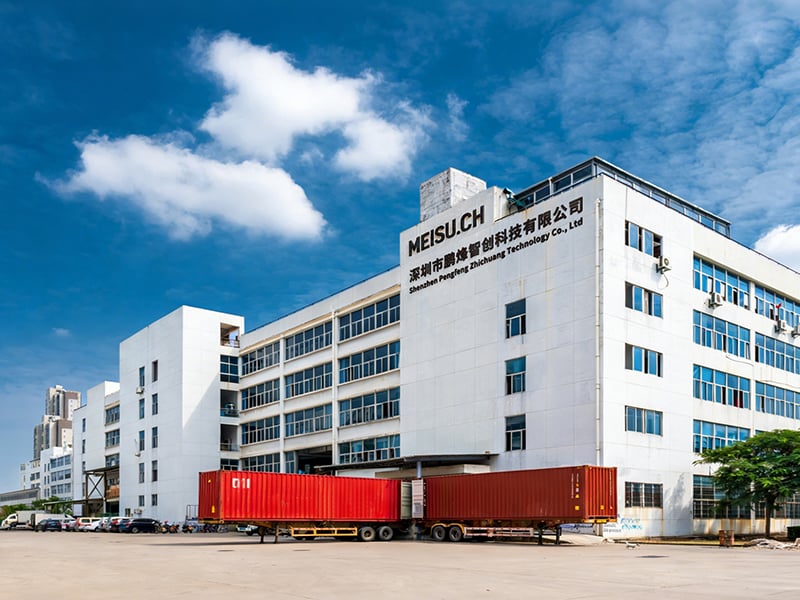
Manufacturing Capabilities: Evaluate the supplier's production capabilities, including their technology and equipment. A manufacturer with advanced facilities can provide high-quality products tailored to specific requirements.
Customization Options: Many projects require customized solutions. Look for suppliers that offer flexible manufacturing processes to meet unique specifications and design needs.
Certifications: Check for relevant certifications that demonstrate compliance with safety and performance standards. This may include industry-specific certifications such as UL or CE.
Quality Control Processes: A robust quality control system is essential for ensuring consistent product performance. Inquire about the supplier's quality assurance practices, including testing and inspection protocols.
Lead Time and MOQ: Understanding the supplier's lead times and minimum order quantities (MOQ) is vital for project planning. Be clear about your timeline and order requirements to ensure smooth procurement.
Customer Support and Service: Reliable customer support can facilitate smoother transactions and provide assistance with technical questions. Choose suppliers known for their responsive service and expertise in outdoor fireplace solutions.
By taking these factors into account, buyers can effectively evaluate potential suppliers and choose partners that align with their project needs.
Proper installation of fireplace venting systems is critical to ensure safety and performance. Here are essential guidelines for installation:
Follow Manufacturer Instructions: Always adhere to the manufacturer's installation guidelines. These documents provide crucial information regarding clearances, venting configurations, and required materials.
Local Codes Compliance: Verify that the installation meets local building codes and regulations. This may include obtaining necessary permits and inspections.
Vent Sizing: Ensure the venting system is properly sized for the fireplace. Undersized or oversized vents can lead to back drafting, reduced efficiency, and safety hazards.
Seal Connections: Properly seal all joints and connections within the venting system to prevent leaks and ensure efficient airflow.
Regular Maintenance: After installation, implement a regular maintenance schedule to check for blockages, wear, and other issues that could affect performance. This is especially important in high-use commercial environments.
Professional Installation: If unsure about installation requirements, consider hiring a certified professional. Their expertise can help avoid costly mistakes and ensure compliance with safety standards.
By following these guidelines, buyers can ensure their outdoor patio fireplace systems are installed correctly, enhancing safety and longevity.
Despite the best planning and installation practices, issues can arise with fireplace venting systems. Here are some common problems and their solutions:
Backdrafting: This occurs when combustion gases flow back into the living space instead of exiting through the vent. Causes may include improper vent sizing, obstructions, or inadequate air supply. To resolve this, inspect the venting system for blockages and ensure proper air intake is available for combustion.
Poor Draft: Insufficient draft can lead to inefficient burning and increased emissions. This may stem from an incorrectly sized vent or a poorly aligned chimney. Buyers should ensure that the venting system is appropriately sized and aligned to facilitate effective airflow.
Condensation: Excess moisture in the venting system can lead to rust and deterioration. To mitigate this, ensure the venting materials are suitable for the application and that the system is installed with proper slope to allow moisture to drain.
Odors: Unpleasant smells can indicate incomplete combustion or other issues. Regular maintenance and inspections can help identify the source and prevent odors from infiltrating the space.
Blockages: Bird nests, debris, or soot buildup can obstruct venting systems. Regular cleaning and inspections can prevent these blockages, ensuring safe and efficient operation.
By understanding these common problems and their solutions, buyers can take proactive measures to maintain their fireplace venting systems, ensuring safety and performance throughout their lifespan.
 Hot News
2026-08-17
 EN